


What matters (and what you can ignore)
Organize school notes so you can find the right page quickly and turn study time into focused review. Ignore fancy systems you won’t keep—elaborate layouts, excessive color palettes, or redesigning every page. What matters is consistent structure, quick retrieval, and a simple review habit.
End result: a system you can use before every test
By the end you’ll have: one clear storage method per subject (not a pile), an index or tab system to find topics in 30 seconds, a short review summary for each week’s material, and at least one backup (photo or digital file) for critical pages.
Decide your primary format: paper, digital, or hybrid
Pick the format that matches how you study and how your classes are delivered.
- Paper-first: best if you learn by handwriting, use textbooks, or get printed handouts. Use a dedicated notebook or a binder per subject.
- Digital-first: choose this if most resources are PDFs or you type faster; use one folder per subject and simple note apps (Google Docs, OneNote, or similar).
- Hybrid: keep handwritten notes for class and a quick digital backup for searching and long-term storage.
Organize school notes by subject and topic
Keep one primary container per subject—single subject notebook, ring binder, or one digital folder. Inside that container, break notes into logical topics or modules (e.g., “Week 3: Cell Division,” “Chapter 4: Thermodynamics”). This reduces searching and supports spaced review.
Paper setup that works
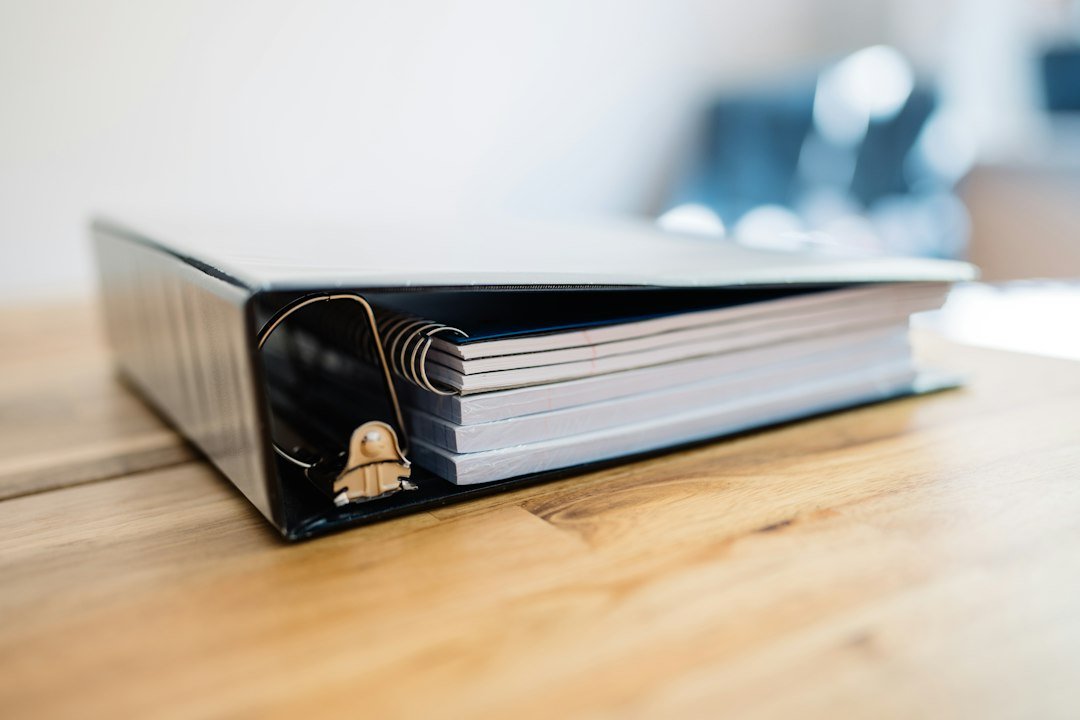
- Ring binders (A4 or sizes that match your handouts): use hole-punched handouts and a notebook section. Add labeled dividers: Lecture, Homework, Summaries, Past Tests.
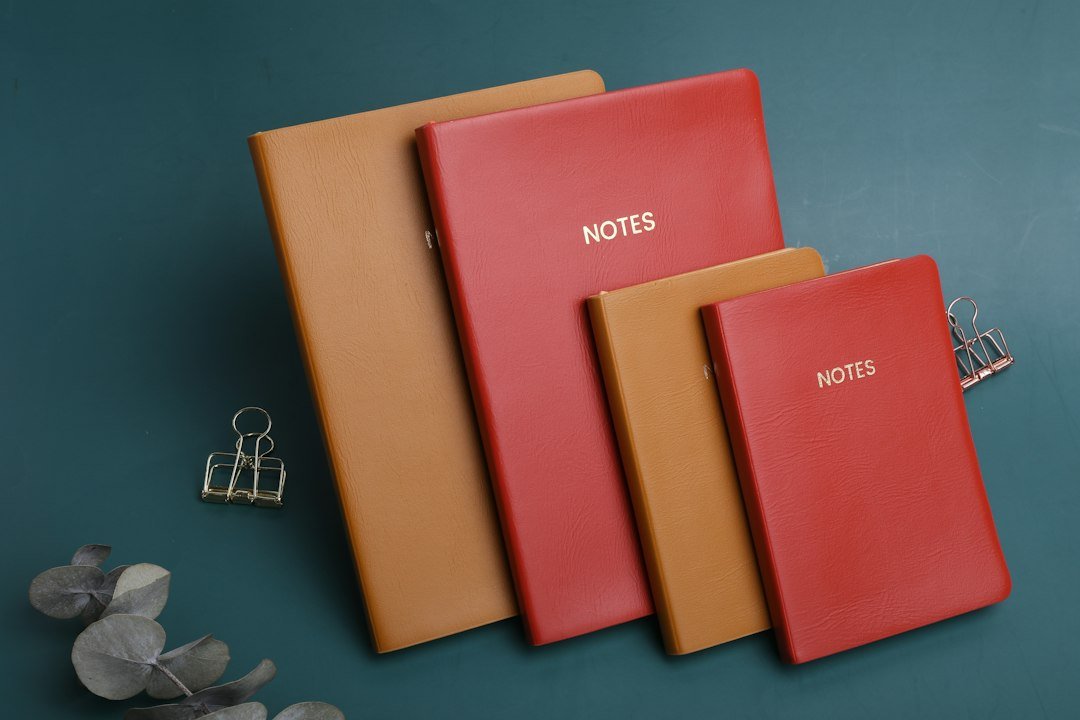
- Single-subject notebooks: dedicate the front to lecture notes and the back to summaries and past mistakes. Reserve a few pages at the front for a running index.
- Use consistent headers: date, topic, and class number in the top-right corner so pages sort chronologically and by topic.
Digital setup that works
- Create a top-level folder for each subject. Inside, name files with “YYYY-MM-DD Topic — Class” to keep order and allow quick search.
- Use a single note app or cloud drive—splitting across many apps makes retrieval slow.
- If you take photos of handouts or notes, immediately add them to the subject folder and rename the file with the date and topic.
Make notes scannable: formats and micro-structures
Use visual patterns so your brain recognizes important parts quickly.
- One idea per paragraph or bullet. Start each page with a single-line summary of the topic.
- Highlight sparingly—reserve one color for definitions, another for formulas, and a third for examples or tricky points.
- Add a two-line “Key points” box at the end of each lecture or week; this becomes your fastest review material.
Indexing and quick retrieval
Create a small index or table of contents for each subject so you can jump to the right topic without flipping every page.
- Paper: dedicate the first 2–4 pages as an index. Add topic, page number, and date. Update this after each class or study session.
- Binders: use labeled dividers with sticky tabs for important modules (e.g., “Formulas,” “Essays,” “Labs”).
- Digital: maintain an index document or use the note app’s tag/search feature with consistent tags like “exam1,” “formula,” or “problem-set.”
Review-ready markings and active recall tools
Turn note organization into a study engine rather than a filing system.
- Use small sticky notes to mark “need to review” pages or questions you couldn’t answer—visible from the binder edge.
- Create 3–5 index cards per lecture: one concept per card with a question on one side and the answer on the back. These are excellent for short, spaced review sessions.
- Summarize each week onto a single page or slide—these weekly summaries are what you actually study before tests.
When and how to consolidate notes before exams
Don’t wait until the night before. Every 2–3 weeks, spend one short session consolidating new material into the weekly summary and updating your index.
- Combine class notes, homework corrections, and returned quizzes into a single summary for each topic.
- Create a “cheat sheet” of formulas, key dates, and definitions from those summaries—this is the most efficient revision map.
- For group study, share a clean digital summary so everyone contributes corrections and additions.
Troubleshooting common problems
I keep losing loose handouts
Punch holes immediately and add them to the binder’s handout section. If you must carry a few sheets, use a clear plastic sleeve labeled with the subject.

My notes are messy and I procrastinate organizing
Limit cleaning time to 10–15 minutes after class: add headers, update the index, and flag unclear parts with a sticky note to clarify later. Small consistent steps beat rare long reorganization sessions.
I take notes digitally but can’t find them during review
Standardize file names and use a single search-friendly tag set. Export essential weekly summaries to PDF and store them in a single “Exam Summaries” folder per subject.
- Choose paper, digital, or hybrid and commit for a term.
- Create one container per subject and labeled dividers or folders.
- Start a running index or file naming convention today.
- Make weekly one-page summaries after each set of lessons.
- Flag unclear items with sticky notes or tags for targeted review.
- Back up critical pages digitally right away.
Good note organization is simple: consistent containers, quick indexes, and short review summaries. Implement one small habit—10 minutes of consolidation weekly—and your study time becomes far more productive.
Should I use one notebook per subject or a binder?
Choose one notebook per subject for portability and continuous flow; choose a binder if you need to include varied handouts and reorder pages.
How do I keep notes searchable if I prefer handwriting?
Photograph pages after each week, name the files by date and topic, and store them in a subject folder for quick digital search.
How often should I review notes to retain material?
Use spaced review: review new notes within 48 hours, again after one week, then every 2–3 weeks depending on difficulty.
What are the best ways to mark important pages?
Use bright sticky tabs for urgent pages, a single color highlighter for definitions, and index cards for active recall questions.
Can I mix lecture and homework notes in the same binder?
Yes—use dividers to separate them; mixing is fine as long as your index points you to the right section quickly.



