Immediate takeaway: set up zones, choose the right containers, and label—then keep a 10-minute weekly reset.
To store and organize notebooks, paper and stationery efficiently, first decide how you use each item (daily, reference, archive), assign each use to a specific zone (desktop, shelf, archive), then choose containers that match the item size and access frequency. Label clearly and build a small weekly habit to prevent drift.
Decide the end result before you buy anything
Ask two practical questions: how often will I use this, and what form does it take? A daily planner, index card deck or a sketchbook all need fast access; a dozen old lecture notebooks or reference pads are candidates for shelf or box storage. Your final setup should make the most-used items visible and reachable, and move seldom-used items to less prime real estate.
Sort everything into use-based piles
Create four piles: active (current projects and daily notebooks), reference (notes you’ll need again), consumables (loose paper, pads, sticky notes, envelopes), and archive/toss. Work quickly—don’t overthink. For paper, sort by size (A4/letter, A5, index cards) since container sizing matters more than color or brand.
Assign storage zones and match containers
Use three main zones: immediate (desktop), near-desk (shelf or drawer beside workspace), and long-term (closet or labeled box). Match container types to zones:

- Desktop: small pen cups, 2–4 tier letter trays, and compact drawer organizers for pens, sticky notes and a current notebook.
- Near-desk: vertical file holders for in-progress projects, magazine files for sketchbooks, or a 4–5 tier paper organizer for stacks of loose sheets.
- Long-term: clear plastic boxes or archive boxes with lids for older notebooks, plus accordion folders for receipts and loose documents.
Practical picks and when to use them
Choose solutions that solve a specific problem:
- Letter trays or a 5-tier paper sorter are ideal if you shuffle A4/letter sheets daily—use one tray per project or stage (inbox, action, waiting, reference).
- Vertical file holders work best for A5 notebooks, sketchbooks and planners stored upright for easy spine-reading.
- Small drawer organizers or a 6-compartment desk caddy keep pens, erasers and clips accessible without crowding the surface.
Product suggestion: if you need a desktop paper sorter, try the Supeasy 5 Trays Paper Organizer for multi-tier access and a handle for occasional moving around.
Labeling: make location memory-free
Label shelves, trays and boxes with clear, short labels—project name, date range, or content (e.g., “Receipts 2023,” “Sketchbook—Ideas,” “Math Notes”). Use a consistent label style (same tape, same font or handwriting) so your eye learns the pattern. For notebooks, a spine sticker with subject and semester is the fastest scan method.
Storage tips for common items
- Loose paper: use a single inbox tray for all incoming sheets; triage immediately—file, act, or recycle. For frequently referenced pages keep them in a binder with clear sleeves.
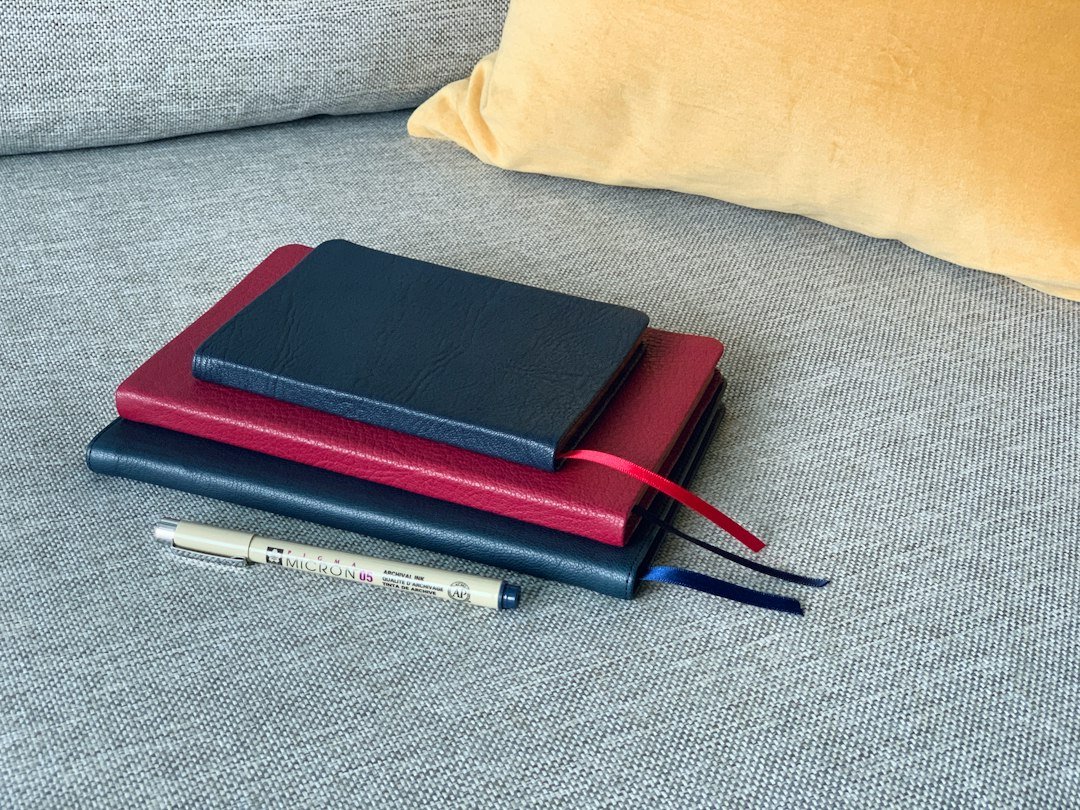
- Notebooks: stack by size and use. Keep active notebooks on the desk or a nearby shelf; archive full notebooks in labeled boxes by year or subject.
- Stationery (pens, clips, stamps): corral by type and frequency—daily pens in a cup, specialty pens in a drawer organizer, small supplies in a clear divided box.
- Receipts, bills and small papers: keep in color-coded folders (or numbered folders) inside a vertical file; scan and store digitally if you need long-term, searchable access.
Optimize small spaces and shared environments
If desk space is limited, go vertical: wall-mounted file pockets, pegboard baskets or a narrow shelf above the desk keep things within reach. In shared offices, use clear labeling and a communal “inbox” for collaborative paperwork. Reserve a personal tray or cubby for each person’s active notebooks to avoid mix-ups.
Maintenance routine and small troubleshooting
Weekly reset (10 minutes): clear the inbox tray, return misplaced items to their zones, and archive any notebooks that became inactive. Monthly review (15–30 minutes): consolidate half-used notebooks into an “active” binder if multiple small notebooks clutter your space, or prune stationery you never use.
If clutter returns, the usual causes are vague zones (unclear “home” for items) or too many active projects. Fix by tightening the definition of “active” (limit to 3 current notebooks) and removing duplicates of similar tools.
Adapting for creatives, students and managers
Creatives: prioritize sketchbook visibility—store upright in magazine files and keep a small travel kit for pens and markers. Students: use color-coded folders and a labelled accordion file for semester notes; keep a numbered system for notebooks by class. Managers: reserve a labeled tray per direct report or project, and use quick-access sticky notes for delegation.
When to digitize and when to keep paper
Digitize if you need search or space reduction; keep paper if tactile review or legal originals matter. A hybrid approach works well: scan reference pages and keep originals that are hard to replace (contracts, signed forms) in a labeled archive box.
- Sort notebooks and paper into active, reference, consumables, archive.
- Assign three zones: desktop, near-desk, long-term.
- Choose containers sized to paper/notebook formats.
- Label every container and notebook spine consistently.
- Create a weekly 10-minute reset routine.
Make choices that reflect how you actually work: keep daily items visible and boxed items labeled for reference. Small, regular maintenance beats occasional deep cleans.
How many notebooks should I keep on my desk?
Limit to 2–3 active notebooks: one for daily planning, one for the current project, and one for quick notes or sketches. Put everything else in a near-desk shelf.
What’s the best way to store receipts and small papers?
Use a labeled accordion folder or color-coded manila folders in a vertical file; scan and discard receipts you no longer need for proof or tax purposes.
Should I keep all old notebooks?
Keep notebooks you’ll reference again (meeting notes, project decisions). For others, scan key pages and recycle the rest, keeping an index of scanned files.
What containers work best for mixed stationery?
Clear drawer organizers and divided boxes make contents visible; pen cups for daily tools, small drawers for specialty items, and trays for loose paper.
How do I stop notebooks from piling up?
Adopt a one-in-one-out rule—when a new notebook becomes active, decide whether an older one moves to archive or is recycled after scanning key pages.