


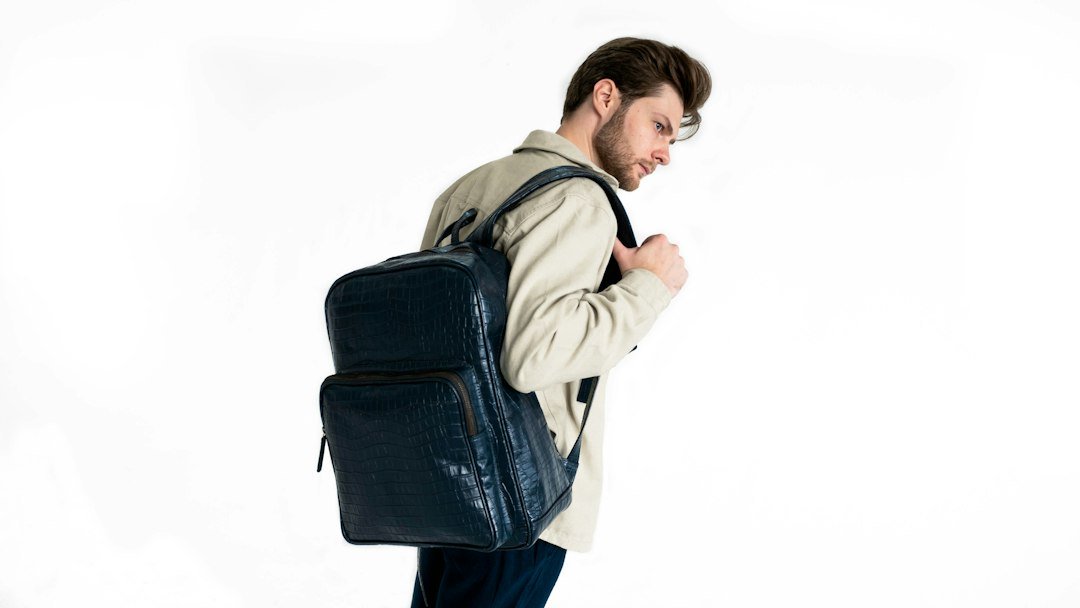
Start with the daily reality, not the looks
Choosing a school bag begins by thinking about what you carry every day and how you move. The most comfortable and practical bag is the one that matches the load (textbooks, laptop, lunch, stationery), the user’s body (height and torso length), and the routine (walking, cycling, bus commute or carrying between classes). If you pick a bag for style first and size or fit second, soreness and damage will follow.
Decide what you actually need to carry
List the items you expect to carry on a typical day and a heavy day. Common items that change the decision: a 13–15″ laptop, several thick textbooks, a water bottle, lunch container, pencil case, and gym shoes. Weight and shape drive the bag type more than age or fashion.
- Light daily load (notebooks, pencil case, small tablet): look for 12–18L daypack styles.
- Medium load (laptop + 2–4 books): aim for 18–25L with a padded laptop sleeve.
- Heavy load (multiple textbooks, laptop, lunch, sports gear): choose 25–35L with good structure and load-distribution features.
Fit and ergonomics: what actually reduces strain
The single biggest comfort factor is how the bag sits on the torso, not how wide the straps are. Use these quick checks when trying a bag on with a real load (or weight in the bag):
- Shoulder straps: they should be contoured (S-curve) and padded, sitting comfortably on the top of the shoulders without slipping off.
- Back panel: look for a padded, ventilated panel that follows the spine curve. Flat thin backs often press into the lower back.
- Torso fit: the bag’s back length should align with the wearer’s torso—too long digs into shoulders, too short puts weight on lower back.
- Sternum strap and hip belt: small students benefit from a sternum strap; heavier loads need a low-profile hip or waist belt to move weight off the shoulders.
- Load positioning: heavier items (laptop, textbooks) should sit close to the back and at mid-back height to keep the center of gravity near the body.
Organization and pockets that save time
A bag is more practical when items have predictable places. Think less about “lots of pockets” and more about pocket purpose.
- Padded laptop/tablet sleeve: non-negotiable if you bring electronics. Check the sleeve’s closure and padding thickness.
- Main compartment shape: a structured main compartment prevents books from flopping and helps distribute weight.
- Quick-access pocket: a small front pocket or top pocket for keys, phone and transit cards reduces digging through the main compartment.
- Stationery organizer: an internal panel or a dedicated pencil case compartment speeds class transitions—pair with a large pencil pouch when needed.
- Water-bottle pocket: external elastic or mesh pocket keeps hydration accessible and prevents spills inside the bag.
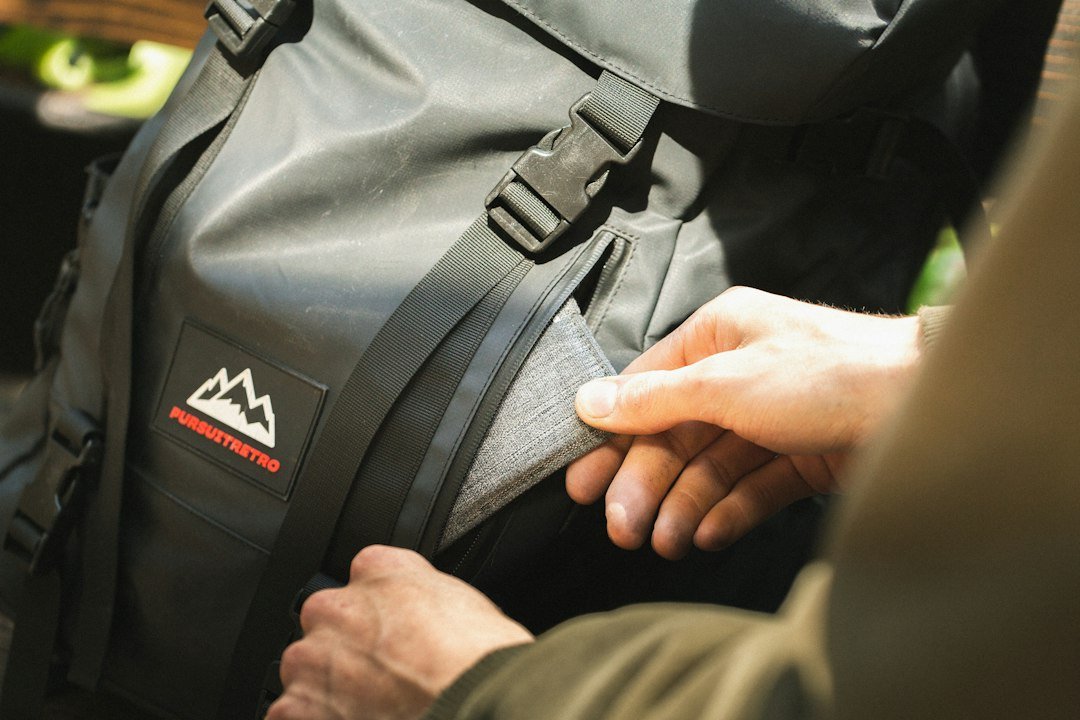
Materials, durability and weather protection
Choose materials based on commute and expected wear. Typical trade-offs:
- Polyester and nylon: common, lightweight and affordable; higher denier counts increase abrasion resistance.
- Ripstop or reinforced bases: useful for kids and heavy users who set bags on the ground frequently.
- Water-resistant coatings vs fully waterproof: for most students, a DWR-treated fabric and a rain cover are enough; fully waterproof bags are heavier and pricier.
- YKK-style zippers and reinforced stitching at strap anchors are signs of longer life—inspect seams where straps meet the pack.
Safety and visibility
If commuting by bike or walking in early light, look for reflective accents or loops for a clip-on light. Lockable zippers and a discreet pocket for valuables can be helpful in crowded transit; however, they add complexity and sometimes weight.
Style, age and sizing considerations
Style matters, but size by age is imprecise—measure the torso. For children, choose a bag that’s proportionate: straps should fasten comfortably without having to over-tighten. Teenagers and adults can use larger volumes but still need correct torso fit.
When to prioritize weight vs. structure
If most trips are short and the load light, a minimal, lighter bag feels better every day. If you regularly carry heavy textbooks or a laptop, prioritize a structured bag with good padding and load-distribution—even if it weighs a bit more empty. A stiff, structured back panel reduces sagging and keeps heavier loads close to your body.
Budget trade-offs and long-term value
Higher cost often buys better materials, stronger zippers and more considered fit. But you don’t always need top-end features: a mid-priced bag with durable fabric, reinforced stitching and a proper laptop sleeve can last several school years. Consider warranty and repair options if you expect heavy use.
Two product recommendations that fit common needs
After you’ve matched capacity and fit to routine, a well-rated school backpack from the store can be a practical next step.
This bag suits students who need a roomy, durable pack with simple organization for books and a pencil case.
Choose this if you need a larger, laptop-friendly option with a softer exterior and casual style for older students or college commuters.
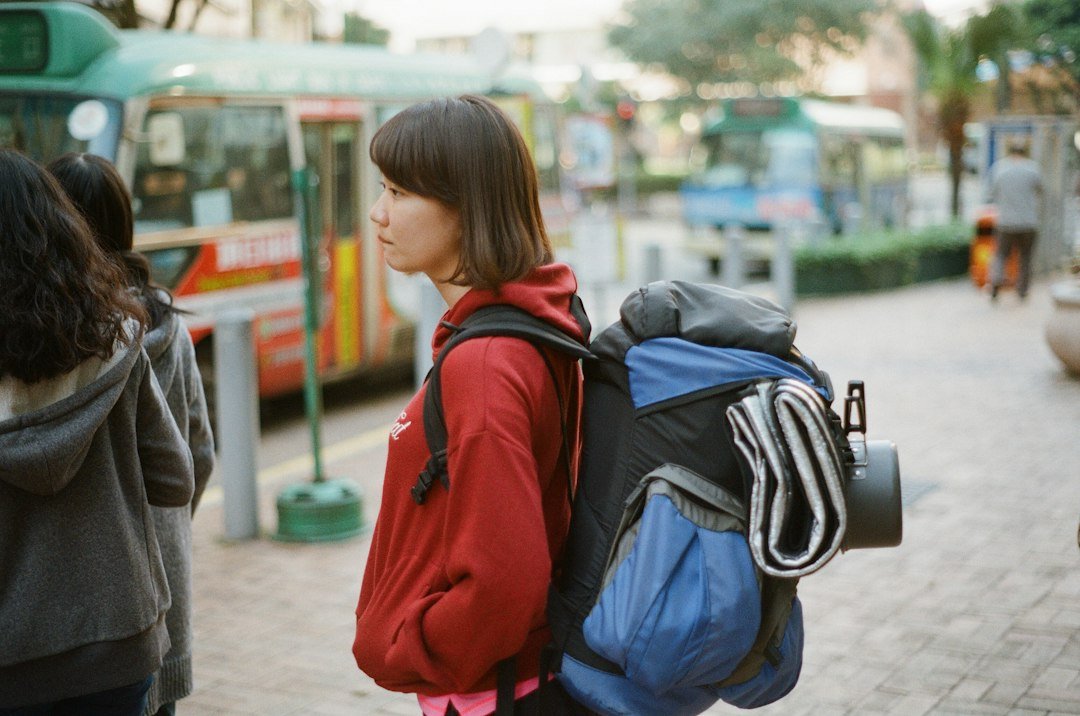
- Try the bag on with a loaded weight similar to your daily carry.
- Confirm the back length aligns with the wearer’s torso.
- Check that heavy items sit close to the back and at mid-back height.
- Test straps for comfort and look for a sternum strap or hip belt if loads are heavy.
- Inspect zippers, strap anchors and base for reinforcement.
- Ensure there’s a padded laptop sleeve if you carry electronics.
What bag size is best for middle school students?
Most middle schoolers do well with 18–25L packs—large enough for a tablet, a couple of books and a pencil case while remaining proportionate to a smaller torso.
How tight should I wear the shoulder straps?
Straps should be snug enough that the bag sits close to the back, not hanging from the shoulders. Tighten until the lower edge of the bag rests at or just above the small of the back.
Do I need a backpack with a hip belt for school?
Not for light daily loads. A hip belt helps distribute weight for heavy loads (textbooks, sports gear) or long commutes but can be left unused when unnecessary.
Can I use a messenger bag or tote instead of a backpack?
For light loads and short trips, yes. For heavier daily loads or long walks, backpacks reduce shoulder strain and balance weight better.
How do I keep a backpack from smelling or getting dirty?
Use a removable pencil case for spills, clean out crumbs weekly, air the bag out and spot-clean exterior stains promptly; a removable rain cover also protects material.



