


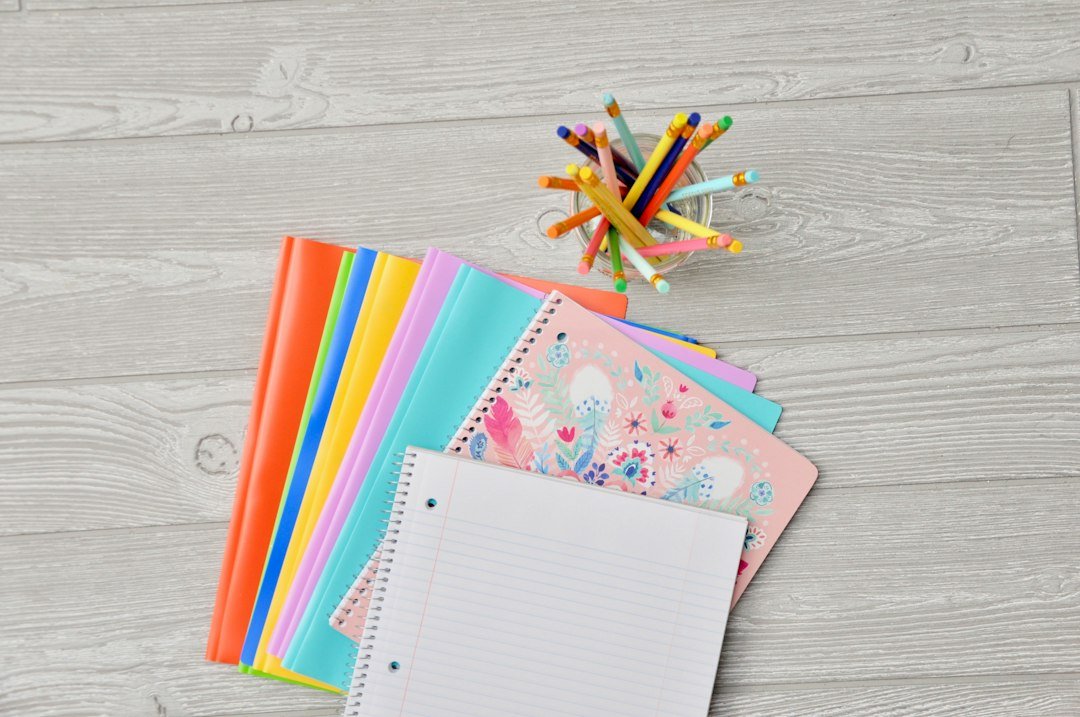
Quick answer: pick notebooks based on how you’ll use them in class—graph or engineering paper for math and physics, thicker plain paper for lab or art, single-ruled or wide-ruled for language/notes, and flexible or multi-section binders for project-heavy or mixed-subject courses. After that, fine-tune size, binding and page count to match portability, durability and revision habits.
What actually matters when choosing a notebook for school subjects
Before you look at brands or colors, decide three things: the page format that matches the work (graph, ruled, plain), the binding that fits how you’ll use and store pages (spiral, stitched, removable), and the physical size/page count that fits your bag and semester workload. Paper weight matters when you’ll use markers, fountain pens, or glue. Extras—pockets, perforation, preprinted margins or question columns—are useful if they match a class’s workflow.
Match paper format to the subject
Format drives usefulness. Here’s a quick mapping of subject → best paper type:
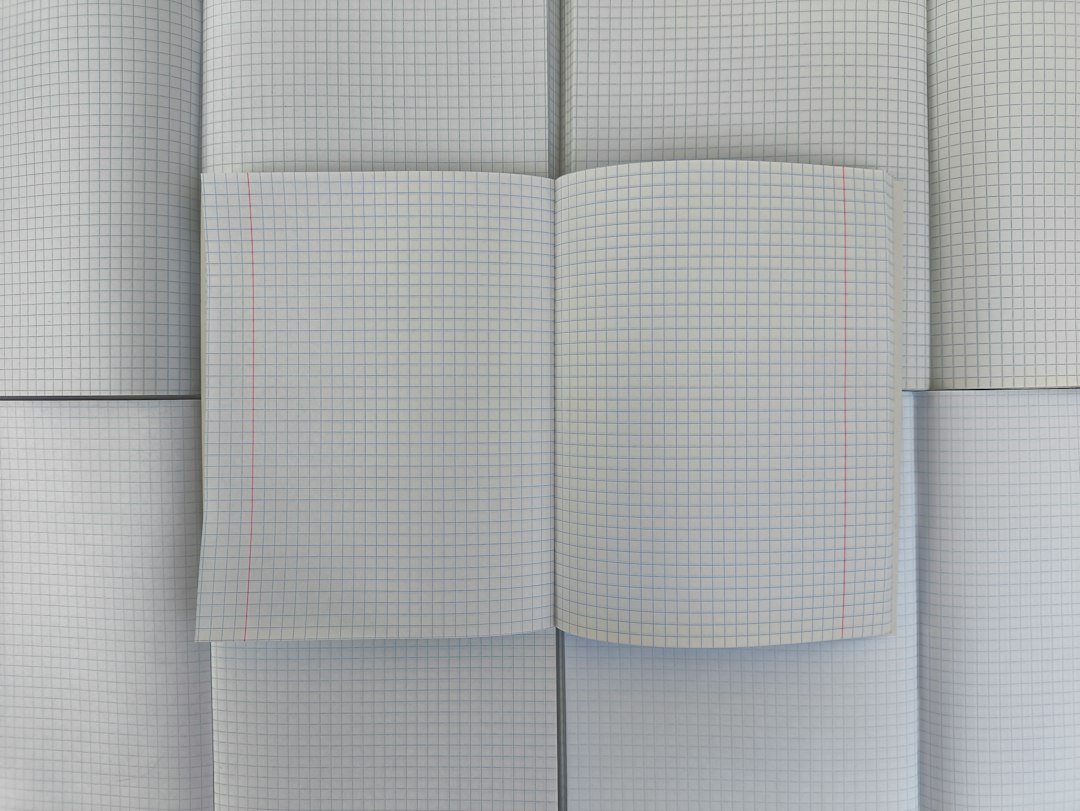
- Math, geometry, calculus: graph or engineering (quadrille) paper. Graph makes diagrams, plotting and alignment easier and reduces reworking.
- Physics and chemistry: graph paper for equations/plots; plain or thicker paper for lab reports or pasted-in charts.
- Biology: ruled for notes plus one lab notebook with thicker, stapled or stitched binding for specimens, drawings and pasted images.
- Language arts / history / social studies: single-ruled or wide-ruled depending on handwriting size; margin or Cornell-style pages help with annotations and study cues.
- Art, design and technical drawing: plain (no ruling) or heavy sketch paper; consider spiral or tape-bound pads that lie flat.
- Computer science / coding: dot-grid or graph can be helpful for flowcharts and spacing, though many prefer ruled for plain code notes.
- Foreign languages: ruled with wider margins for vocabulary lists and translations; a small pocket notebook for flashcards helps learning on the go.
Choose binding and construction based on use
Binding affects durability and how you study:
- Spiral-bound (coil): lies flat and is easiest for left- or right-handed writers; great for daily note-taking and classes where you write a lot. Perforated spirals make handing in pages easy.
- Stitched/stitched-and-glued (composition): more durable, looks neat in folders; pages won’t fall out but don’t tear out cleanly—good for archival notes you’ll keep semester-to-semester.
- Ring-binder or disc-bound: best for reordering, inserting handouts, or grouping multiple subjects in one book; ideal for project-based classes.
- Lab-bound notebooks (stitched with numbered pages): meant for science labs where permanence and chronological records are required.
Size and page count: balance portability with completeness
Common choices:
- A4 (or letter) size: roomy for diagrams and full-page notes—best for high school and college where handouts and worksheets must be filed.
- Smaller sizes (A5, composition): more portable and lighter—good for language classes, homework, or when the notebook is only for quick in-class notes.
- Page count: a single-subject notebook with 70–120 pages is a good semester fit for many classes; heavy-note classes like physics might need 150+ pages or one notebook per term.
Tip: if you like to keep everything together, a 3-subject or 5-subject notebook with dividers can replace multiple single-subject books—useful for consecutive related classes.
Paper weight and ink bleed—when to choose heavier stock
Standard school notebooks use 60–80 gsm paper. Choose heavier paper (90–120 gsm) when you’ll use markers, fountain pens, or glue in projects. If you’re unsure, test ink on a corner: bleed-through and ghosting make review and photocopying harder. For art or pasted materials, a sketchpad or lab notebook with thicker pages is worth the extra bulk.
Organization features that matter by subject
- Pockets or folders: useful for social studies and classes with many handouts.
- Preprinted Cornell or margin lines: helpful for language arts and exam revision.
- Perforation: handy for homework submissions in primary and middle school.
- Numbered pages and index: valuable for lab notebooks and long-term projects.
When to use multiple notebooks vs one multi-subject book
Use one notebook per subject when classes require separate organization, different paper types, or when you’ll file or archive notes separately (e.g., lab reports). A multi-subject notebook or binder is efficient when notes are lighter, subjects are related, or when you need portability. For students who change classes day to day, color-coding one subject per notebook speeds retrieval.
Practical product recommendation for a common need
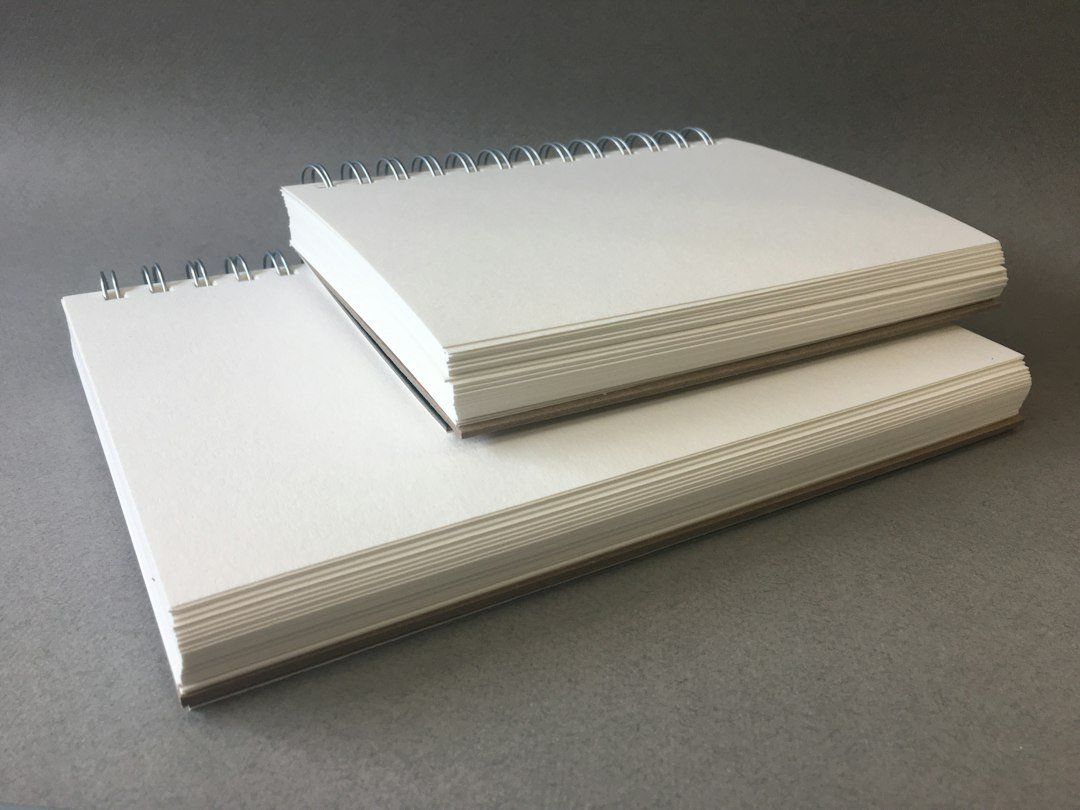
If you need a durable everyday notebook that fits most subject needs—spacious pages for diagrams and notes, spiral binding to lie flat, and enough pages for a semester—consider a well-reviewed spiral exercise notebook from our catalog as a reliable default. For lab courses needing permanence, pair that with a stitched lab notebook.
Small decisions that often trip students up
- Choosing a single thin notebook to last a year—risk running out of pages mid-term. Prefer semester-sized counts unless you archive digitally.
- Buying only spiral notebooks without a sturdier option—spirals can bend and pages tear when shoved into backpacks.
- Ignoring paper weight when buying markers—ink bleed wastes time and makes notes less usable for revision.
When instructors specify a notebook
Follow required formats exactly for labs and graded work: some courses require bound lab books with numbered pages. If a style is required, buy that model early to avoid grade penalties or lost credit.
Color-coding and labeling for fast retrieval
Choose a consistent system—e.g., blue for math, green for science, red for language—to find the right notebook quickly. Add a label with subject, teacher, and semester on the cover and inside the front page to prevent mix-ups.
- Decide the page format first: graph, ruled, or plain.
- Choose binding that suits in-class writing and long-term storage.
- Confirm page count covers the term or plan to archive and replace mid-year.
- Test paper weight for pens and markers you regularly use.
- Label with subject, teacher and term to avoid confusion.
Start with the work: match paper type to how the subject is taught. Then pick binding, size and page count that support how you study, carry and store notes. A small investment in the right notebook reduces friction and saves time during the term.
Is graph paper always better for math?
Graph paper is better for geometry, plotting and alignment of equations; for pure note-heavy classes, ruled paper can suffice. Use graph where diagrams and precision matter.
Can one notebook work for multiple subjects?
Yes—multi-subject notebooks or binders work if subjects are light on heavy diagrams and you don’t need different paper types. Use dividers and clear labels.
What notebook is best for lab courses?
Choose a stitched lab notebook with numbered pages and heavier paper to create permanent, archival-ready records as many instructors require.
How many pages should a subject notebook have?
For semester classes, 70–120 pages is typical; classes with heavy notes or lab work often need 150+ pages or a replacement plan mid-term.



