


Start with what must work on day one
Too many lists balloon into things students will never use. A useful back-to-school stationery checklist focuses first on items that are necessary, portable and replaceable. Below is a practical list organized by core function—writing, correction, measuring, notekeeping and organization—plus a few value choices by age and a recommended product to simplify packing.
Writing, correction and everyday marking
- Ballpoint pens: 2–4 in blue or black and one red for corrections.
- Mechanical pencil or HB pencils: one mechanical pencil with 0.7 mm leads or 4–6 wooden HB pencils and a sharpener.
- Eraser and small sharpener: soft white eraser for pencil work; handheld sharpener with container.
- Highlighters: two colours (yellow + one contrasting) for key facts and dates.
Notebooks and loose paper—choose by subject
Match notebook type to how the class is taught.
- Lecture-heavy subjects (history, literature): A4 spiral or hardbound notebook—good for long-form notes.
- Problem subjects (math, physics): grid or graph exercise book to keep columns and diagrams tidy; consider a smaller size for pocket use.
- Languages and daily homework: slim A5 notebook or composition book that’s easy to carry between classes.
- Loose-leaf binder: useful when teachers collect handouts or when you need to rearrange pages; include 5–8 dividers labeled by subject.
Measuring, drawing and basic geometry
- 30 cm clear ruler (metric) and a 15 cm pocket ruler.
- Protractor and set square if geometry or technical drawing is on the syllabus.
- Compass for older students taking geometry—practice using it once at home so it’s not a mystery on day one.
Organization gear that saves time
Organization is more useful than extra supplies. A small investment in the right case and labels prevents daily scrambles.
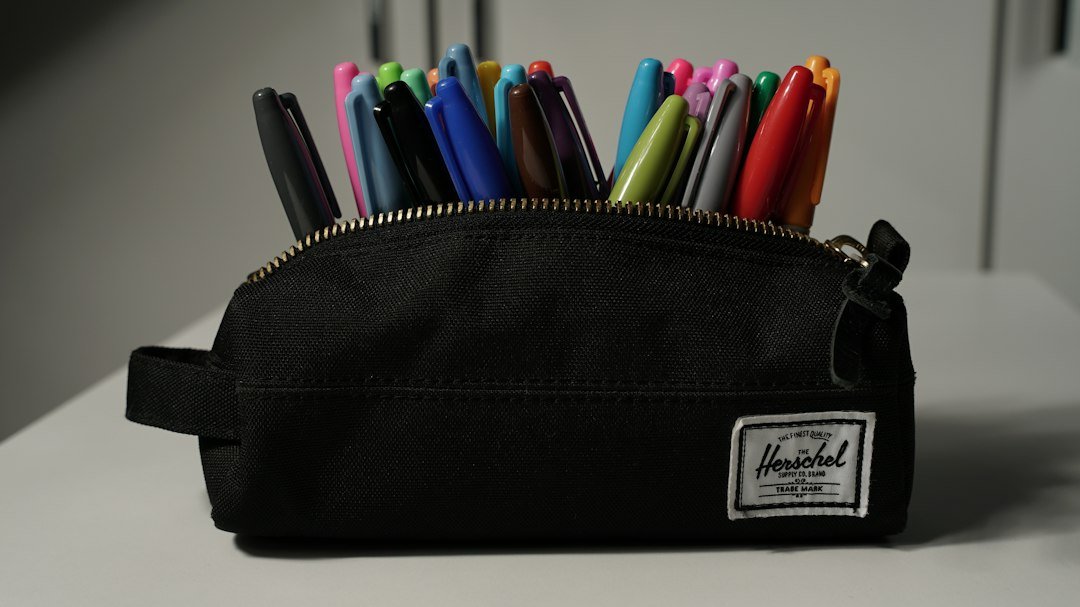
- Pencil case: choose a large, zippered case with internal compartments so pens, calculator and USB stick have a consistent place.
- Sticky notes (two sizes) and a small pack of page flags for quickly marking chapters and assignments.
- Label stickers or a permanent marker for personalising books, pencil cases and water bottles.
Art and project supplies (only if required)
Not every student needs full art gear. Confirm the syllabus before buying kits.
- Basic set: colored pencils (12–24), glue stick, round-tip scissors and a small watercolor set for craft projects.
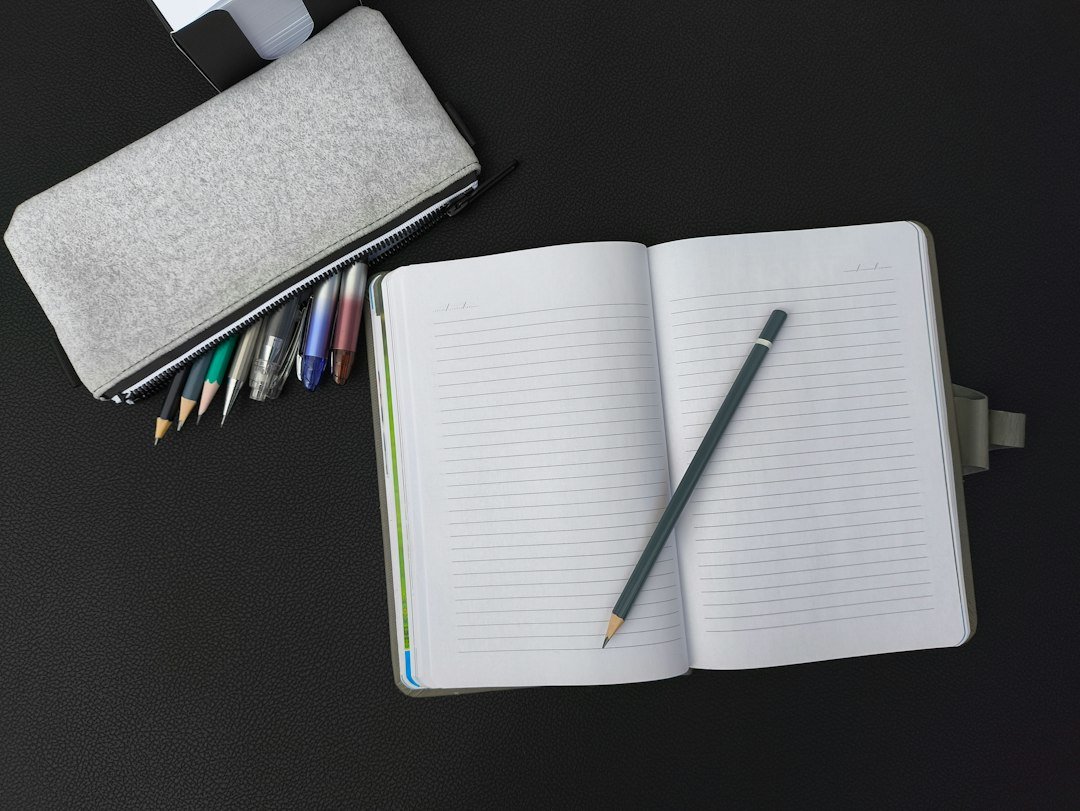
- Sketchbook and ruler for design classes—choose heavier paper if painting will be used.
Digital and miscellaneous essentials
- Basic non-scientific calculator for lower grades; graphing calculator only if the course specifies it.
- USB flash drive or cloud account details readily available for file transfers—label the drive.
- A compact planner or digital calendar: record deadlines the first week and review it each evening.
Practical packing by age and grade
Adjust quantities by age. Primary students need fewer specialized items; older students need subject-specific gear and better organization.
- Primary (K–5): focus on durable pencil case, a handful of pencils, eraser, glue stick, safety scissors and one multi-subject notebook.
- Middle school (6–8): add a binder with dividers, ruler, basic calculator and a small set of highlighters.
- High school (9–12): invest in quality notebooks by subject, graph paper, protractor/compass where required and a reliable pencil case that holds a calculator and flash drive.
One recommended product to simplify choices
If you want one item that will make packing and daily use easier, a large multi-compartment pencil case keeps tools visible and portable. It eliminates digging and protects delicate items like compasses and USB drives.
Smart shopping and maintenance tips
- Buy quality where it matters: erasers, rulers and pencil cases—cheap versions often fail fast.
- Keep a small “backup kit” at home with spare pens, pencil leads and a glue stick to avoid mid-week emergencies.
- Label everything on day one and recheck supplies after the first two weeks; teachers will reveal what’s actually required.
- Confirm teacher supply list and buy only what’s required for the first month.
- Assemble a daily pencil case with labeled essentials and a homework planner.
- Create a small home backup box with extras for replenishment.
- Label notebooks and devices clearly before school starts.
Focus on durable essentials that will be used daily—writing tools, a reliable notebook system and a good pencil case. Confirm subject-specific needs and keep a small backup kit at home.
How many pens and pencils should I pack for the first week?
Bring two black/blue pens, one red pen, and two pencils or one mechanical pencil with spare leads; add one eraser and a small sharpener.
What notebook types should I buy for multiple subjects?
Use subject-specific notebooks: lined for language arts, grid for math/science, and a smaller pocket notebook for daily homework and planner use.
Do I need a binder or just notebooks?
Choose a binder if teachers hand out many loose worksheets or require reorganization; otherwise, single-subject notebooks are simpler and lighter.
Which art supplies are essential?
Confirm with the school, but typically colored pencils, a glue stick, safety scissors and a basic sketchbook cover most primary and middle-school needs.
How do I keep stationery from getting lost during the year?
Label all items, use a single dedicated pencil case, and perform a quick supply check weekly—this habit prevents losses more than buying extras.



