When you’re at the kitchen table with a school supply list and a growing pile of options
It’s a familiar scene: your child’s emailed supply list sits next to a row of colorful pens, dozens of indistinguishable notebooks, and a choice between a simple pouch or a bulky organizer. Before you buy anything, focus on what will actually be used and last. This stationery buying guide helps parents choose smart, grade-appropriate supplies so money goes to the items that matter most.
What actually matters: usability, durability and fit for class
Not every pretty pen or themed folder matters equally. Prioritize three practical qualities:
- Usability: Will your child reach for it daily? Prioritize items used several times a week (not seasonal stickers).
- Durability: Products that survive a full term save time and replacement cost—look for reinforced bindings, water-resistant pouches and sturdy zippers.
- Fit for class: Match supplies to grade and teacher requests. Younger kids need glue sticks and crayons; older students need graph paper, scientific calculators, and a reliable pen selection.
Plan by grade and learning habits, not trends
School stage determines core needs. Use this short map to allocate your budget.
- Elementary (K–3): Big durable crayons, washable markers, blunt scissors, glue sticks, a basic zip pencil case and a few sturdy composition notebooks. Focus on large grips and washable materials.
- Upper elementary (4–5): Transition to standard pencils, a ruler, lined notebooks per subject, a small calculator, and a pencil case that separates color tools from pencils.
- Middle school: More subjects mean color-coded notebooks or binders, a larger pencil case with compartments, a scientific calculator, and perhaps a planner for homework tracking.
- High school: Emphasize durable notebooks or subject binders, pens in fine and medium points, highlighters, sticky tabs for organization, and a backpack that comfortably carries textbooks and a laptop.
Focus areas to buy first
Buy these items before any extras; they’ll be used every week.
- Writing essentials: reliable pencils (mechanical or wooden), a medium-point ballpoint or gel pen, erasers, and pencil sharpener.
- Notebooks vs binders: choose what the school or teachers specify; single-subject spiral notebooks work for some grades, while binders with refill paper are better when subjects rotate.
- Pencil case or pouch: pick one that fits the number of tools your child actually uses and withstands daily wear (see product recommendations below).
- Backpack: check capacity, padded straps and any laptop sleeve for older students.
Which pencil case should you choose for everyday use?
Decide by how many items need carrying and whether visibility matters. For younger kids a smaller, brightly colored pouch is fine; middle and high schoolers often need larger bags with compartments.
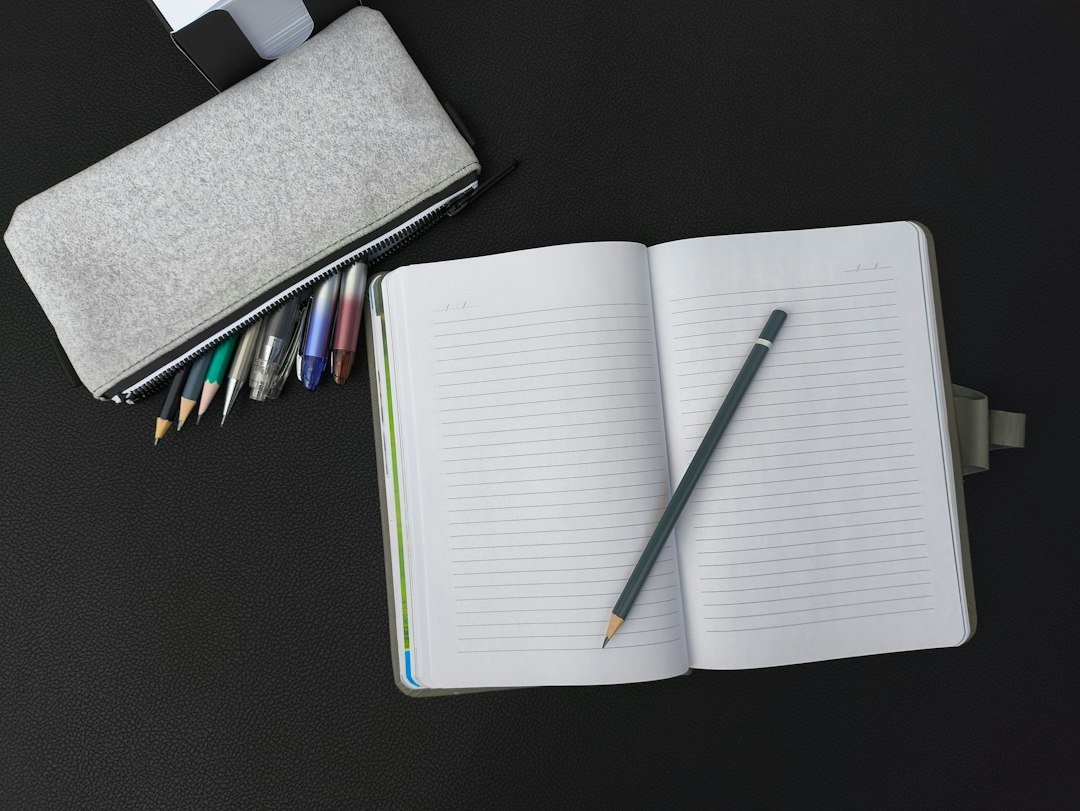
This large capacity storage pouch is useful when your child needs room for markers, rulers and a small notebook without constant cramming. If you prefer see-through organization (for teacher checks or quick cleanouts), a clear TPU pouch is an alternative below.
The clear pencil pouch is water-resistant and handy for classes that ask parents to clearly label contents; it also doubles as a portable art-supply pouch.
How to choose pens, pencils and paper that reduce friction
Small choices influence daily homework time:
- Pencils: pick one consistent type—if the child smudges, choose harder leads (HB) or mechanical pencils with thicker lead. Keep a small supply at home and one in the pencil case.
- Pens: for older students, a smooth ballpoint or gel pen in blue or black plus one felt-tip for quick headings is enough. Avoid buying multi-packs with many novelty colors unless your child will use them.
- Paper: when possible, match paper ruling to assignments. Wide-ruled for early grades, college-ruled for middle and up. For math classes, buy graph paper or a graph-ruled notebook.
Organization items that improve work habits
Good tools help kids stay organized without parental nagging.
- Planner or weekly homework journal: critical from middle school on. If the school provides one, check it first; otherwise choose a compact planner with space for daily tasks.
- Folders or plastic pockets: keep loose worksheets organized by subject. Pick 1–2 sturdy folders per subject at the start of term.
- Sticky tabs and highlighters: compact sets go a long way for study and revision. Limit colors to 3–4 to avoid overwhelm.
Durability and safety details parents often miss
Check these features before you buy in bulk:
- Reinforced spiral bindings or sewn spines on notebooks reduce pages falling out.
- Water-resistant pouches protect supplies from spills and rainy school runs.
- Non-toxic labels on markers and glue for younger children.
- Zippers and seams: inexpensive pouches often fail at the zipper; test the zipper or read materials descriptions if shopping online.
Money-saving strategies that don’t compromise function
Save without sacrificing usability:
- Buy core items once in mid-quality brands and replace only what wears out; avoid buying multiple novelty pens that won’t be used.
- Shop shared items—scissors, rulers and a stapler—once per household rather than per child when appropriate.
- Hold off on specialized supplies until a teacher requests them; many classes have specific versions for projects.
When to replace and when to repair
Replace items that impede learning (torn notebooks, leaky pens). Repair or reuse durable organizers—fix zippers or re-label folders—when practical. Keep a small home supply kit so last-minute needs don’t become expensive rush buys.
- Confirm teacher-specified items before buying extras.
- Choose one durable pencil case for daily use and one clear pouch for teacher checks.
- Buy notebooks or binders that match class format (spiral vs. binder).
- Allocate budget for a planner or homework tracker at middle school level and up.
- Test zippers and seams on bags and pouches where possible.
Prioritize items your child will use every day—writing tools, a matching notebook system, and a durable pencil case—then add organization pieces like a planner and folders. Two well-chosen pouches cover most classroom needs and reduce replacement headaches.
How many pencil cases should my child have?
Two is usually enough: one roomy case for daily tools and one smaller or clear pouch for specific class needs or art sessions.
Are expensive notebooks worth it?
Only if the notebook format matches class needs and a higher-quality binding will prevent page loss; otherwise mid-range is fine.
Should I buy a planner for elementary kids?
Not usually; start a planner in upper elementary or middle school when homework tracking becomes regular.
What’s the safest way to label supplies?
Use a permanent fine-point marker or printed name labels; for younger kids, write names on inside covers and zippers to avoid peeling labels.
How many spare pencils and pens should be kept at home?
Keep a small kit of 10–15 pencils and 4–6 pens at home to avoid last-minute runs; replenish mid-term as needed.