


Practical observation from the studio
Parents and teachers rarely choose art tools for “best” alone—it’s about the child, the project and the setting. A kindergartener in a messy classroom needs different supplies than a tween sketching in their bedroom. Before deciding between crayons, colored pencils or sketch pens, think about age, motor skills, desired effects and cleanup.
What actually matters when you pick a medium
Focus on five practical priorities rather than brand names: safety and washability, grip and control, color intensity and layering, durability/maintenance, and intended activity (coloring books, drawing, school crafts, or mixed media). Each medium trades off these factors differently.
Crayons: best when durability and ease matter
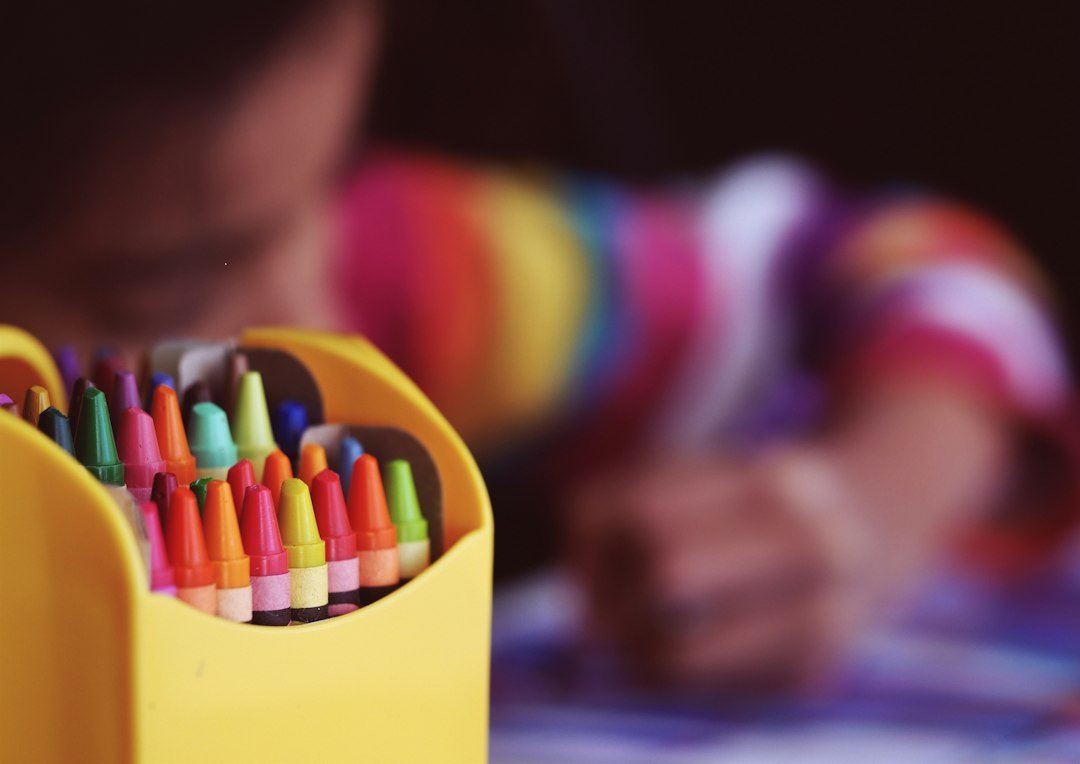
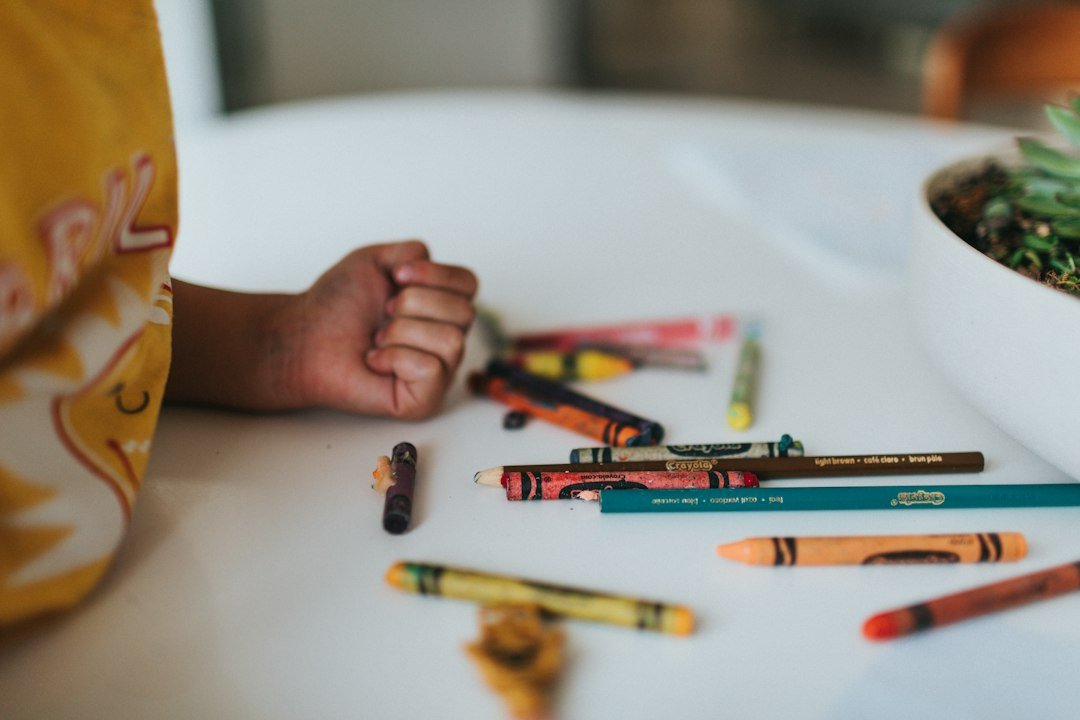
What they do well: Crayons are forgiving. They’re thick, easy to grip, and won’t require sharpening. Colors cover quickly and crayons tolerate rough handling, which makes them ideal for preschoolers and classroom sets where loss or breakage is expected.
- Age and skill: Excellent for ages 2–6 and children still developing fine motor control.
- Effects: Solid, waxy fills but limited for fine detail, blending, or shading.
- Cleanup and safety: Choose non-toxic, washable options for younger kids—wax residue lifts from most papers and fabrics with detergent.
- Durability: Fat crayons last longer; peeled or twistable styles reduce waste and mess.
Colored pencils: best when control and layering matter
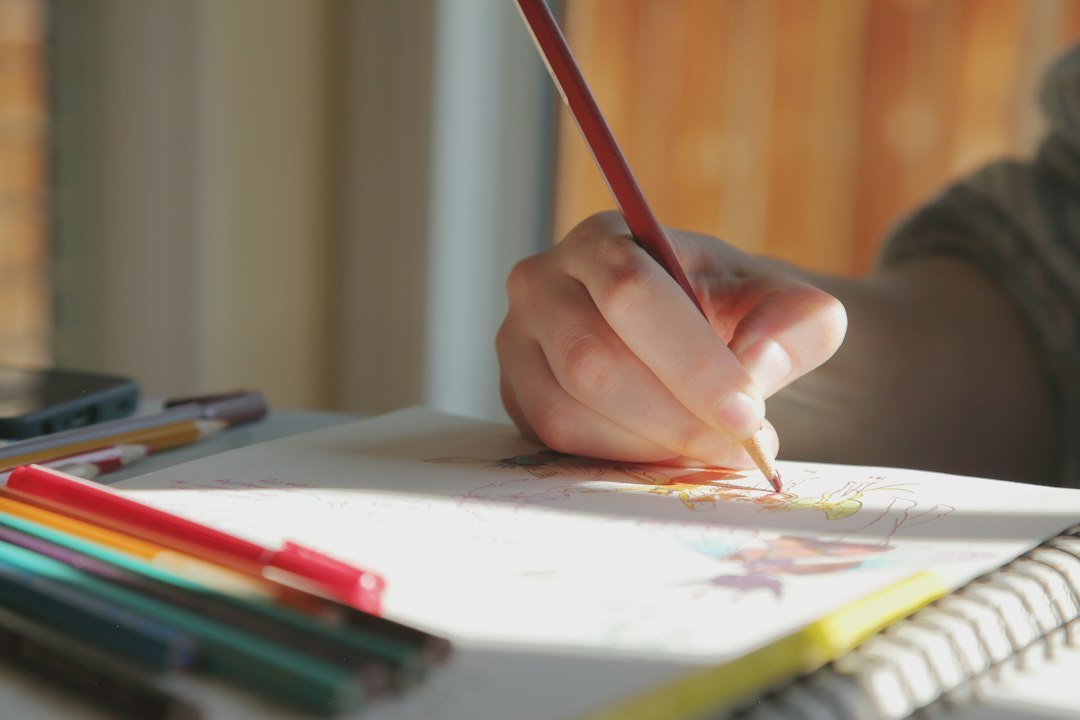
Colored pencils reward control and can produce a wide range of effects from flat color to smooth shading. They’re the closest to “grown-up” drawing tools in a kid’s art kit.
- Age and skill: Great for ages 6+ or any child who can use a regular pencil grip confidently.
- Effects: Good for fine lines, color mixing through layering, and light blending with a blender pencil or tissue. Softer cores (artist or soft-core sets) blend more easily; harder cores hold a point longer.
- Maintenance: Require sharpening and some care to avoid broken leads; consider pre-sharpened sets for younger children.
- Use cases: School projects, sketching, coloring intricate adult-style coloring books.
Sketch pens (markers): best for bold color and quick results
Sketch pens give immediate, vibrant color and are easiest when kids want saturation without layering. They encourage expressive drawing but vary widely in nib size, permanence and washability.
- Age and skill: Suitable for ages 4+; younger kids love markers but may have trouble with bleeding through paper or lid safety.
- Effects: Solid flat color, good for posters, cards and broad strokes; fine-tip pens allow line work and detail.
- Cleanup and safety: Choose washable, non-toxic markers for younger children. Some alcohol-based markers are permanent and better reserved for older kids and controlled spaces.
- Paper needs: Markers can bleed; thicker paper or sketchbooks designed for markers prevent feathering.
Match the medium to the activity
Here are common scenarios and the best choices that follow the priorities above.
Preschool classroom or very young children
Choose crayons—fat or twistable—with washable pigments. Provide larger paper and skip markers that stain or fine pencils that frustrate.
After-school coloring books and quiet time
Colored pencils are ideal: they give control and encourage careful work. A basic set of 24–36 colored pencils covers most needs; upgrade to soft-core or larger sets as interest grows.
Posters, signs, and bold crafts
Sketch pens or broad-tipped markers will deliver the bold coverage and vibrant color needed for large-format work. Provide heavyweight paper or poster board.
Sketching, shading and progression toward drawing skills
Invest in a modest set of colored pencils with a few soft-core options and a small sketchbook. Teach basic blending techniques (layering light colors, burnishing) instead of relying on markers for every project.
Mixed-media projects
Use all three strategically: crayons for wax resist effects, colored pencils for detail and shading, and sketch pens for bold outlines and accents. Always test compatibility on scrap paper first.
Practical trade-offs parents should accept
Expect a few trade-offs: crayons win on convenience and cost; colored pencils win on control; sketch pens win on saturation. If you can only buy one, base it on the child’s age and the type of projects they do most often.
One recommended product for curious kids learning drawing
If you want a single versatile purchase to support a child moving beyond basic coloring into more detailed work, a large colored pencil set gives the most long-term utility: more colors, blending capability and finer control.
Tips for getting the best results from each tool
- Teach proper grip early: tripod grip works for colored pencils and markers; a fist grip is fine for toddlers using crayons.
- Match paper weight to medium: thin paper bleeds with markers; heavier stock prevents tearing from crayons or vigorous erasing.
- Label and store: washable bins, capped markers upright, and pencil cases with a sharpener reduce clutter and loss.
- Set rules for washable vs permanent: keep alcohol-based markers away from younger kids and porous surfaces to avoid permanent stains.
When to mix and when to specialize
For structured learning (art classes, skill development), emphasize colored pencils and introduce blending tools. For free play and crafts, a mixed kit with crayons and washable sketch pens supports imagination without too much care. As skills advance, allow access to higher-quality pencils and a controlled marker set.
Useful next steps
If you’re assembling a starter kit, pair a set of crayons, a 24–36 colored pencil set and a small pack of washable sketch pens. Store them in a pencil case and rotate items based on the week’s activities (craft day, sketching day, poster day).
- Confirm child’s age and current grip control before buying thin tools.
- Choose washable, non-toxic options for preschool and younger kids.
- Match paper weight to the medium to prevent bleed-through or tearing.
- Buy a pencil sharpener or pre-sharpened pencils and a sturdy storage case.
- Label markers and set rules for permanent inks to protect furniture and clothing.
Choose crayons for toddlers and messy group settings, colored pencils for developing drawing skills and shading, and sketch pens for bold, fast color. A modest mix—one reliable set of each type—covers most household and classroom needs and lets children experiment safely as skills grow.
Can young children use colored pencils safely?
Yes—colored pencils are safe, but they require more fine motor control; choose larger-diameter or pre-sharpened sets for younger children and supervise use of sharpeners.
Are markers better for school projects than crayons?
Markers give brighter, more even coverage for posters but can bleed and stain; washable markers on heavier paper are a practical compromise.
How do I teach blending with colored pencils?
Start with light layers, use a slightly softer pencil for mid-tones, and finish by burnishing with a white or colorless blender pencil or a tissue for smooth transitions.
Which is easiest to clean from clothing—crayons, pencils or markers?
Colored pencil marks are usually easiest to remove; washable crayons and markers can be removed with detergent—permanent markers are hardest to clean.
Should I buy non-toxic or washable labeled supplies?
Yes—look for non-toxic certification and “washable” labeling for markers and crayons when buying for young children or classroom settings.



