


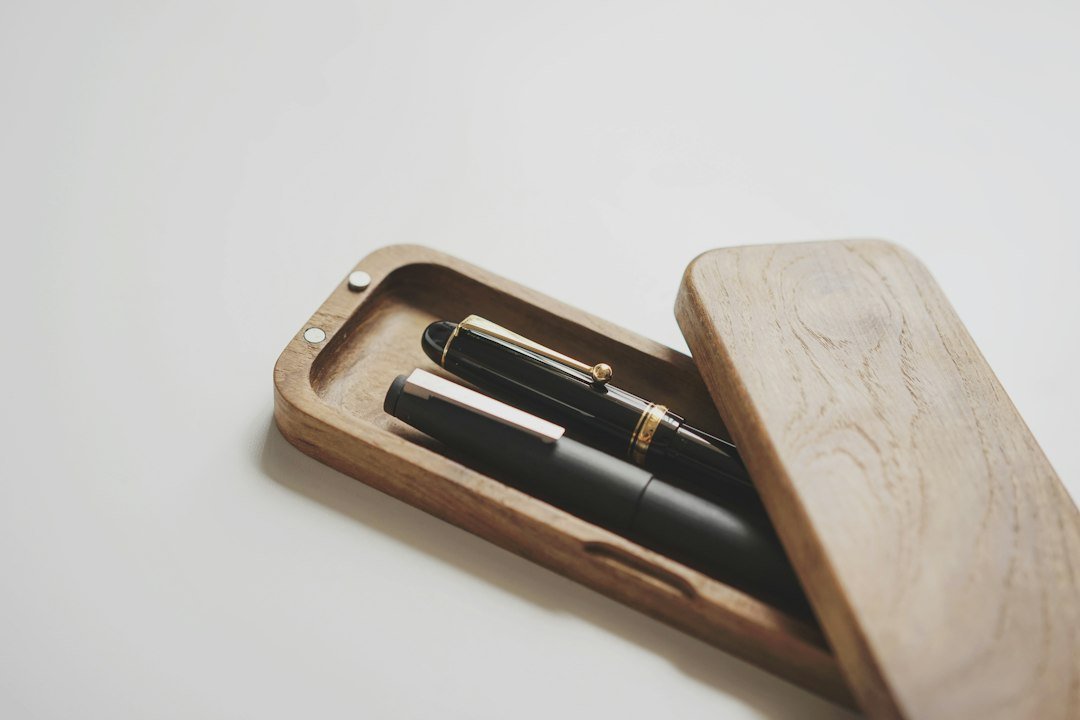
Start with the result: a compact, reliable kit that stays ready
What matters is having the right tools for everyday tasks (writing, correcting, measuring, quick planning) and a consistent place to carry them. You can safely ignore trend-driven extras — specialty pens, dozens of colors, or bulky gadgetry — until you know they will be used regularly. This guide shows how to build a stationery kit for school that’s practical, adaptable to different ages, and assembled in an order that makes buying and packing simple.
Decide the kit size and storage system first
Before you buy items, pick the container: slim pencil pouch, multi-compartment case, or a small zip pouch inside a backpack. Size dictates what fits and how often you’ll refill it. For younger students, a larger case with compartments helps teachers and parents check contents quickly. Teens and college students often prefer compact cases that fit inside a backpack pocket.
Choose material with a real use-case: clear or semi-clear pouches make checkout faster; water-resistant pouches protect supplies from spills. If you want one recommended, a roomy single-case with inner dividers is a solid all-rounder.
Core essentials every kit needs
These are items you should include on day one because they solve most routine classroom tasks.
- Writing tools: 1–2 reliable pens (black or blue) and 1 pencil. Mechanical pencils (0.5 mm) are convenient for older students; regular #2 wooden pencils are fine for elementary grades.
- Eraser and sharpener: a soft eraser and a small sharpener with a shavings catcher keep desks clean.
- Highlighter: one bright color for marking important notes.
- Ruler: 15 cm (6″) ruler for notebooks; a 30 cm ruler if lab or detailed drawing work is expected.
- Notebook or notepad: a small notebook (A5 or composition) for quick notes, plus whatever class-specific notebooks are required separately.
- Sticky notes and a small roll of tape or glue stick: fast fixes for organizing pages and temporary labels.
Class-specific and optional additions
Match extras to the day’s schedule. Keep these items if they’re required for classes you actually take.
- Math/geometry: a compact geometry set (protractor, compass, triangles). If you need a full set, choose a preassembled kit so pieces don’t get lost.
- Art: a small set of colored pencils or a basic marker set; avoid large marker packs unless art is frequent.
- Study and organization: one multi-color pack of highlighters or thin colored pens for note structuring.
- Tech-friendly: a stylus or pencil compatible with tablets if digital note-taking is used.
How to choose quantities and brands without overbuying
Start minimal and restock based on use. Example baseline for a weekly school kit: three pencils, two pens, one eraser, one sharpener, one highlighter, one ruler, and one glue stick. Buy backing items (extra pencils, pens) in a small home supply box rather than cramming them into the daily pouch; this keeps the kit light.
Brand choices matter most for two items: mechanical pencil lead & erasers (quality affects smear) and geometry tools (metal compass lasts longer). For everything else, mid-tier brands balance price and performance.
Packing method that reduces lost items
Arrange items by frequency of use: daily tools in the outer compartment, fragile or seldom-used tools (compass, spare geometric pieces) in a zipped inner pocket. Keep small sticky-note pads flat to avoid curling, and put pencil leads or spare erasers in a tiny zip bag inside the case.
Troubleshooting common kit problems
My kit becomes a junk drawer inside the bag
Fix: pare down to only items used in the last week. Move extras to a home restock box. Use elastic pen loops or small dividers to keep items from shifting.

Small tools keep getting lost
Fix: store tiny items (compass points, spare leads) in a labeled zip bag or pill case. Magnetized compartments or cases with mesh pockets help keep things visible.
Case gets wet or dirty
Fix: switch to a water-resistant pouch or add a lightweight inner sleeve. Clean fabric cases by wiping with a damp cloth; clear TPU pouches are easiest to maintain.
Daily and weekly maintenance routine
At the end of each school day, do a 30-second kit check: remove trash, snap the sharpener closed, and replace any used consumables from your home restock. Every Friday, perform a fuller check: test pens, refill leads, and reorganize loose items.
Where to put spare supplies and when to buy extras
Keep a small home supply kit: 6–12 pencils, 6 pens, a roll of tape, extra highlighters, and a geometry set backup. Replace single items immediately after they’re used up rather than letting the daily kit run empty; this avoids last-minute runs to the store.
- Choose a pouch size that fits your backpack pocket and class needs.
- Pack core essentials: pens, pencil, eraser, sharpener, highlighter, ruler, small notebook.
- Add only class-specific tools you’ll use weekly (geometry set, colored pencils).
- Store tiny spares (leads, compass points) in a sealed small bag.
- Keep a home restock box and refill the kit each Friday.
A dependable stationery kit is compact, task-focused, and inspected regularly. Start with core essentials, add class-specific tools sparingly, and maintain a small home restock so the kit is always ready.
What’s the best pencil type for school?
For general school use, #2 wooden pencils are reliable; older students often prefer 0.5 mm mechanical pencils for consistent lines and no sharpening.
Do I need a full geometry set?
If your curriculum includes geometry or technical drawing, a compact geometry set with compass and protractor is useful; otherwise a simple ruler and protractor suffice.
How many pens and pencils should I carry?
Carry 1–2 pens and 2–3 pencils in your daily kit, with larger backups stored at home.
What’s the best way to stop pens leaking in a pouch?
Use capped pens stored tip-up, or keep them in a separate small tube; choose mid-range pens with secure caps to minimize leaks.
Can I use one kit for school and study at home?
Yes—pack a lightweight daily kit for school and keep a larger, better-stocked kit at your study desk for concentrated work.



