


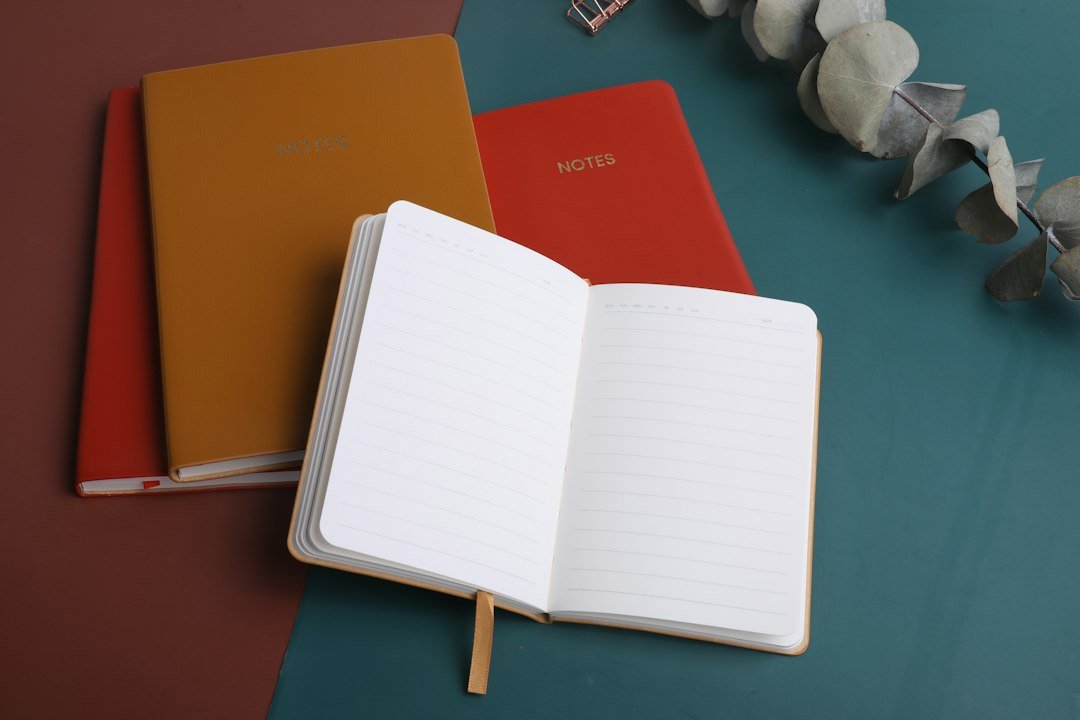
What matters when choosing a ruling — and what you can ignore
The right ruling affects legibility, how much you can fit on a page, and whether your notes stay organized. Ignore marketing buzz about “premium rulings” — focus instead on readable line spacing, whether you need guide lines for columns or margins, and how the ruling matches your typical writing: long prose, compact lists, or mixed equations and diagrams.
Quick answer: which ruling for which purpose
If you want the short decision: single ruled is best for continuous prose and neat handwriting; double ruled helps structure content into columns or two-line spacing (useful for languages or guided alignment); four ruled provides a grid-like guide with stronger structure for tables, math layout and younger students learning letter height. The rest of this article explains why and when to prefer each option.
Decision criteria to use when comparing rulings
- Line spacing and legibility — how dense your notes will look and whether your handwriting needs more vertical room.
- Structure needs — do you need invisible columns, margins for corrections, or consistent heights for letters and symbols?
- Page economy — how many words or items you can fit per page without compromising readability.
- Subject fit — is the notebook for prose, language practice, arithmetic, diagrams, or mixed classroom use?
- Personal style — large handwriting, light pencil marks, or heavy ink will each behave differently on a given ruling.
Single ruled: what it is and when it shines
Single ruled paper has evenly spaced horizontal lines across the page with a single guide line at a consistent distance (often 7–8 mm for many notebooks). It gives a clean, wide rhythm for sentences and paragraphs, making it the default for journals, meeting notes, and essay-style work.
Strengths:
- Clear line for continuous writing; fewer visual distractions.
- Better for longer sentences and paragraphs — your eye follows a single baseline.
- Pages feel less cluttered, which helps with revision and editing.
Trade-offs:
- Less structural guidance for vertical alignment (columns, tables) or letter height for beginners.
- Can waste space for very small handwriting; conversely, too tight for very large handwriting.
Double ruled: what it is and where it helps
Double ruled (also called double-line or paired ruling) groups lines in pairs — two close lines with a slightly larger gap between pairs. It acts like a mild micro-grid and is popular where moderate structure is helpful without full graphing.
Strengths:
- Helps maintain consistent letter height (especially lower- and mid-line spacing) while allowing more words per page than single ruled in some layouts.
- Useful for languages or handwriting systems that need two-line guides, or for note-taking styles that separate headings from content visually.
- Gives a subtle column effect that makes quick tables, lists, or two-line mnemonics neater.
Trade-offs:
- More visual lines than single ruled, which can feel busy for long prose.
- Less rigid than four ruled for precise spatial tasks (e.g., math alignment).
Four ruled: uses, strengths and limitations
Four ruled pages divide the vertical space into sections—commonly alternating thicker and thinner lines or a pattern that creates narrow vertical “cells.” This configuration resembles a loose grid and is often used in exercise notebooks in primary schools and for structured numeric work.
Strengths:
- Excellent for math, tables, columns, and diagrams where consistent vertical spacing matters.
- Helps early learners keep letter proportions consistent (ascenders/descenders, x-height).
- Makes lists with multiple sublevels easier to scan and align.
Trade-offs:
- Not ideal for dense prose—the extra lines break up paragraph flow and can make reading back longer passages tiring.
- Visually busy for adults who prefer minimalist pages or freeform sketches.
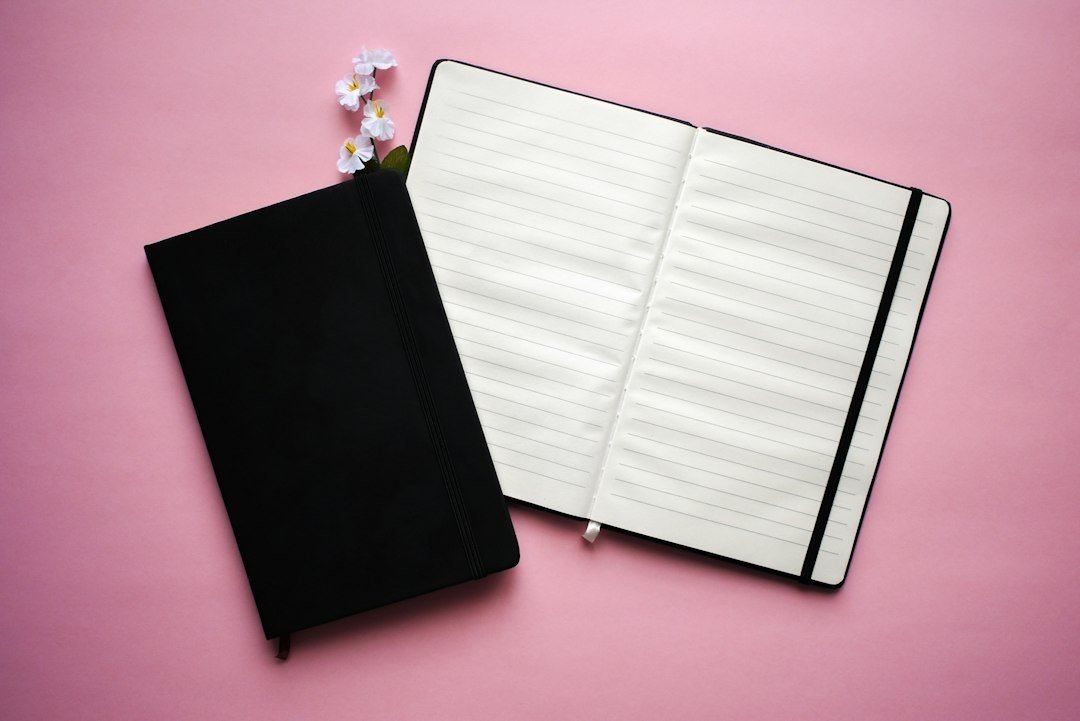
Comparing space efficiency and legibility
Space efficiency depends on line spacing measurements, but generally: four ruled lets you pack the most structured information per page because the extra guide lines encourage tighter, columnar entries; double ruled sits between four and single, giving moderate economy with some visual breathing room; single ruled offers the most readable layout for continuous text at the cost of fitting fewer discrete items per page.
Which ruling matches common use cases
- Students learning handwriting or primary school: four ruled — improves letter sizing and helps teachers mark neatness.
- Math, accounting, or technical notes: four ruled (or graph) — keeps numbers, columns and diagram scales aligned.
- High-school and college note-taking with mix of prose and equations: double ruled can be a good compromise, offering structure without breaking paragraph flow.
- Journals, meeting minutes, essays, creative writing: single ruled — best for flow and readability.
- Language practice with guided letter forms: double or four ruled depending on how strict the letter-height guidance needs to be.
Practical selection tips before you buy
- Match ruling to your dominant activity: ask what you do 60–80% of the time (write sentences, solve problems, make lists).
- Test a sample page if possible — write a paragraph and a tight list to see which ruling feels comfortable.
- Consider paper size with ruling: A4 single ruled can handle long essays, while smaller notebooks with four ruled are handier for school exercises.
- Account for pens and ink — heavier ink may blur across many lines; if you use fountain pens, try a paper-weight test.
The Small Notebook (ID 70) — Double Ruled, 160 pages — fits most mixed-use students and note-takers who want structure without a full grid. It’s a good first choice if you’re undecided between rigid alignment and freeform writing.
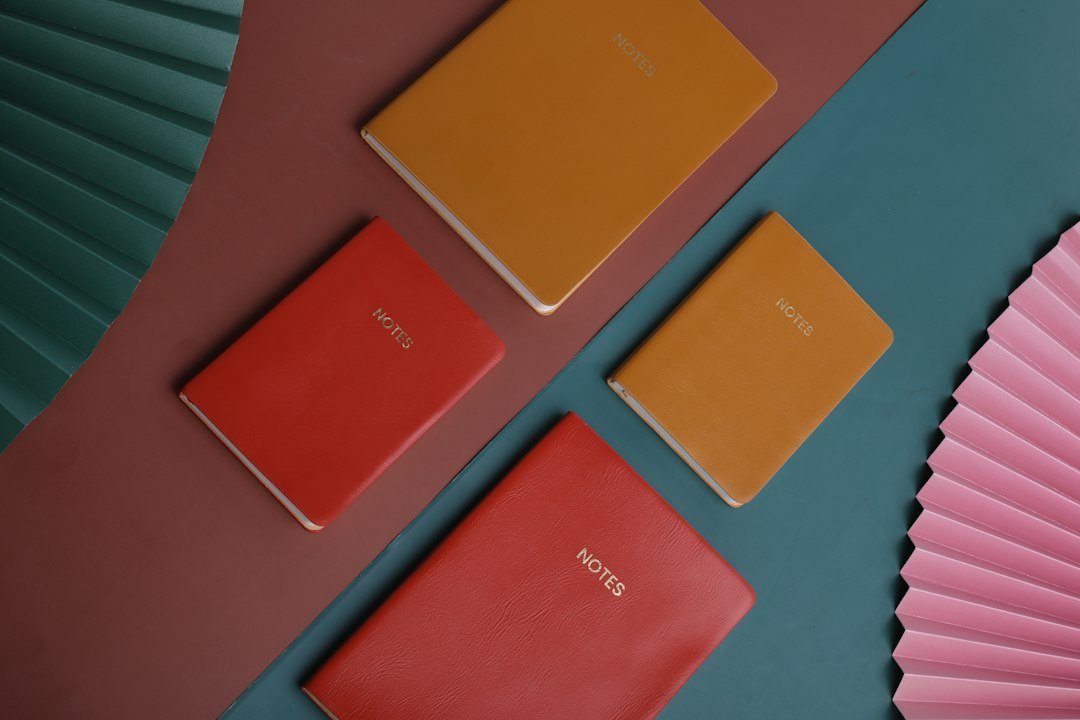
When to combine rulings or use multiple notebooks
Many people benefit from using different rulings for separate tasks: keep a single ruled notebook for prose (journals, reports) and a four ruled exercise notebook for math or lists. If you’re a student, a double ruled medium-sized notebook can be your daily classbook while dedicated four ruled pads store solved problems and practice sheets.
- Identify your primary use (prose, math, handwriting practice).
- Test line spacing with your normal pen/handwriting size.
- Decide if you want visual structure (columns/tables) or open flow.
- Match notebook size (A4 vs small) to how you carry and store notes.
- Consider keeping one ruling per subject to avoid layout confusion.
Single, double and four ruled notebooks each prioritize a different balance of clarity and structure. Match ruling to your dominant task: single for continuous writing, double for mixed-format notes, and four for precise alignment and early handwriting. When uncertain, choose a versatile double ruled or use two notebooks for different purposes.
Can I use a four ruled notebook for journaling?
Yes, but the extra lines can interrupt paragraph flow and make long passages harder to read; single ruled is usually more comfortable for journaling.
Is double ruled better for taking lecture notes?
Often yes—double ruled gives modest structure for headings and lists without the visual density of four ruled, making it a good compromise for mixed lecture formats.
Which ruling is best for teachers assigning homework?
For handwriting practice and neatness checks, four ruled is preferred; for written assignments and essays, single ruled is appropriate.
Do ruling choices affect paper weight or quality?
Ruling itself doesn’t determine paper weight; check GSM or try a sample if you use bleed-prone pens. Higher paper weight works better with fountain pens and markers.
Can I mix ruled notebooks in a school bag?
Yes—carrying a single ruled for essays and a four ruled for maths is a practical approach and keeps each subject’s layout consistent.



