


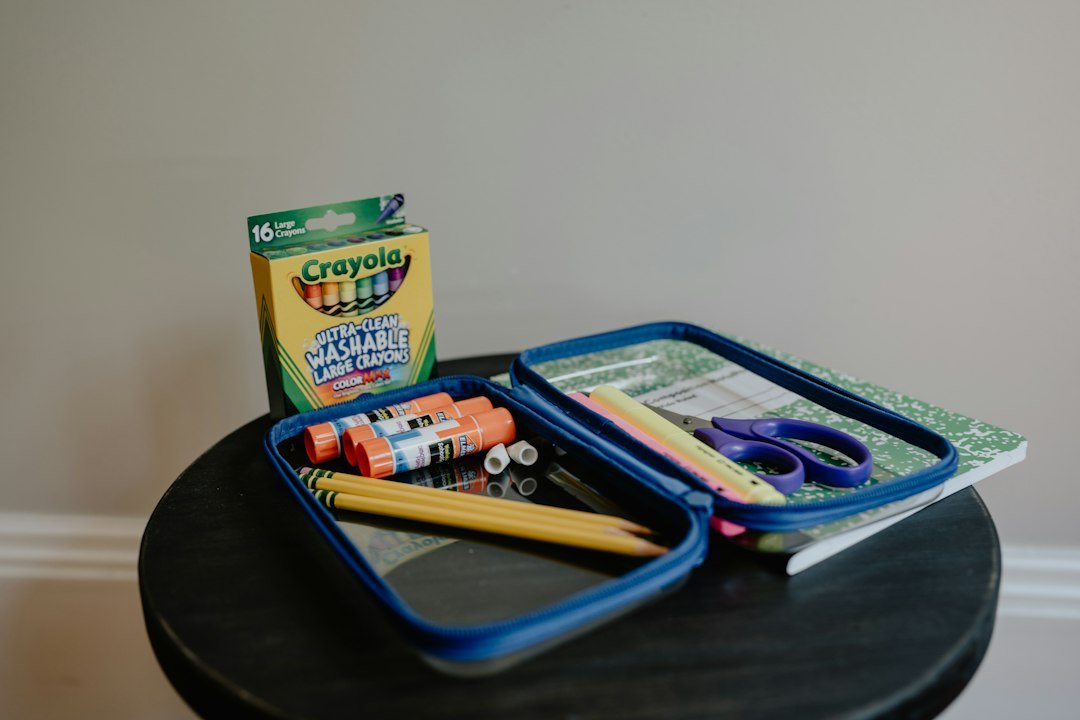
That moment trying to fit everything into a jammed backpack
You’ve shoved a ruler, five pens, a glue stick and a small watercolor set into the pocket of your bag, only to find the eraser crushed and two pens leaking by morning. Choosing the best pencil cases for school prevents that daily scramble—but the right choice depends on how you actually use it. Below are the practical things that matter first, then clear recommendations by common use cases.
What matters most before you buy the best pencil cases
Start with the student’s real routine, not the prettiest picture. Ask: what items need to live inside daily, where will the case be stored, and who’s using it? Those answers determine the four essential features.
1. Size and shape: match contents, not expectations
Measure the longest item you plan to carry (a 30 cm ruler, a set of markers, an art brush) and check the internal length of any case. For basic school use a slim single-zip case works; for art supplies or multiple pens and a calculator choose a large-capacity pouch. Flat rectangular boxes sit more predictably in backpacks; cylindrical or pouch styles can bulge.
2. Organization: compartments change daily usability
Organization reduces the “dig for a pen” problem. Consider:
- Elastic loops or pen holders for frequently used pens.
- Mesh pockets for erasers, sharpeners and sticky notes so they don’t scratch pens.
- Multiple compartments or a double-zip design if you carry distinct kits (writing vs art).
3. Durability and closure type
Zippers that glide, reinforced seams, and resistant outer materials (canvas, polyester, neoprene) prevent blowouts. Hard-shell cases protect mechanical pencils and compasses from crushing; soft fabric pouches are lighter but less protective. Magnetic closures or snaps are quick but less secure for backpacks that get tossed around.
4. Portability and weight
If the student already carries a heavy bag, pick a lighter case. Extra features—handles, hooks to attach inside a backpack, or straps—are helpful for younger kids. For lockers or cubbies, weight matters less than protection.
Choosing by use case: match the case to the routine
Below are common school scenarios with practical picks and trade-offs so you can decide without overbuying.
Everyday school supplies: simple and organized
If the case will hold pens, pencils, an eraser, and a highlighter, aim for a slim pouch with internal loops or a small front pocket. You’ll get easy access without wasted bulk.
Why this fits: a large-capacity case with five compartments that still zips flat—handy when you need a clean layout but don’t want a heavy box. It suits middle and high school students who switch between subjects.
Art students and markers: choose capacity and ventilation
Markers, brush pens, and watercolor tubes need space and sometimes a wipeable lining. Pick a larger rectangular pouch with wide opening and internal dividers, ideally with a wipe-clean lining that keeps ink from staining fabrics. If you store wet brushes briefly, choose a case that won’t trap moisture—mesh pockets help.
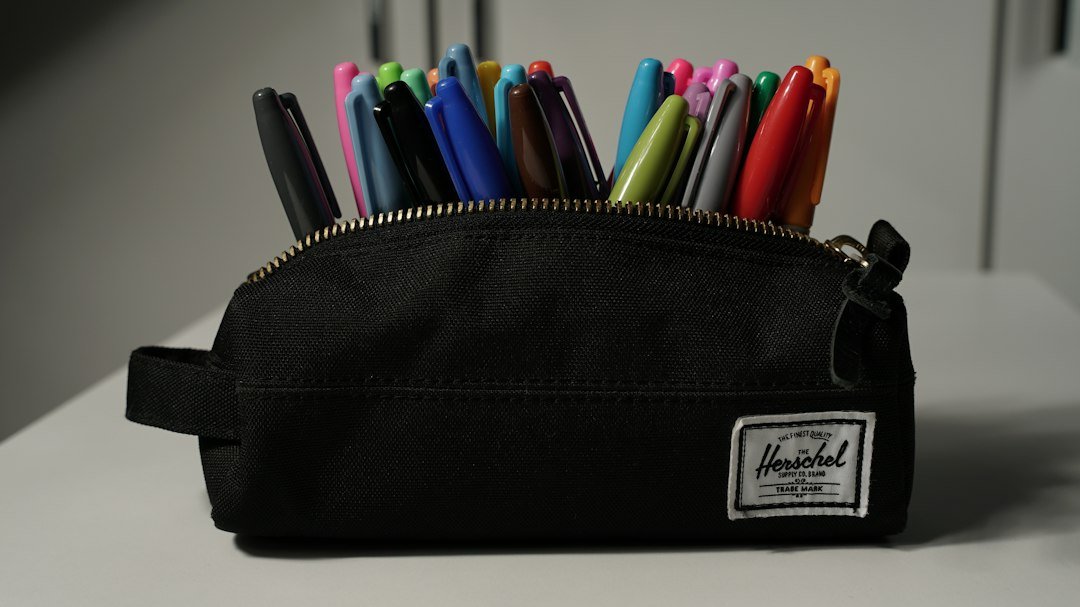
Young children: durability and visibility
For primary school kids, prioritize a hard-shell case or a heavily reinforced fabric pouch with an easy-to-use zipper pull and bright colors so the child can find it. Internal elastic slots help teach order. Avoid small detachable bits that can be lost.
Minimalists and tight backpacks: compact single compartment
If you only need a few pens, a compact zip-around pouch or a slim tin is best. It reduces clutter inside the backpack and keeps a clean profile in narrow compartments.
Shared or mixed supplies: multi-compartment or double-zip
For students who alternate between writing and art supplies in the same day, a double-zip case or one with separate molded sections lets you keep items separate and prevents ink from staining pencils. Look for cases with labeled or visually distinct compartments.
Small details that often make the difference
- Zipper quality: metal teeth usually last longer than cheap molded plastic; test the pull if you can.
- Seam placement: seams along edges wear first—look for double stitching.
- Water resistance: a lightly water-resistant exterior helps spilled drinks and rainy commutes.
- Cleaning: removable inner liners or wipeable materials are easier to keep tidy, especially for markers.
- Lockability: older students carrying exam materials may want a case that fits a small padlock or a design that can be secured in a locker.
Where to place product picks in real life
Put your daily writing tools in the pocket of the backpack you use most; keep the art case in a separate compartment or locker to avoid stains. If you switch bags often, choose a case with a handle or a slim shape that slides into different bags easily.
Quick compatibility checks before you click “buy”
Measure, read materials and check the return policy. If the case’s interior dimensions aren’t listed, compare listed overall dimensions to the ruler or tool you plan to carry. Note that “large” naming is marketing—compare actual sizes.

- Measure the longest tool you carry and compare to the case interior.
- Decide whether protection (hard shell) or light weight is more important.
- Check for compartments or loops if you need quick access to specific pens.
- Inspect zipper and seam descriptions for durability clues.
- Choose wipeable lining if you carry markers or watercolors.
Match the case to the contents and daily routine: slim and organized for everyday writing, large and wipeable for art gear, and reinforced for young kids. Test dimensions against actual items and prioritize zipper and seam quality—those determine lifespan.
How big should a pencil case be for school?
Size depends on contents: a slim case (about 9–10 in long) fits standard pens and a ruler; choose a larger pouch for markers or multiple kits. Measure your longest item to be sure.
Are hard-shell or soft pencil cases better?
Hard-shell cases protect fragile tools from crushing; soft cases are lighter and more flexible. Pick hard-shell for compasses, mechanical pencils and delicate items, soft for general pens and small accessories.
Can a pencil case be machine washed?
Many fabric cases are hand-wash only; check the label. Wipeable linings avoid the need for washing and are better for marker stains.
What’s the easiest way to keep a pencil case organized?
Use elastic pen loops or small zip pockets for loose items and set a weekly tidy routine to remove broken leads and dried glue sticks.
Should I buy a case with a handle?
A handle helps if you frequently move the kit between bags or lockers; otherwise it adds minor bulk. Choose based on how often you carry the case alone.



